

Quick answer
How long to climb Mount Rinjani depends on your route and goals. The standard Sembalun-Senaru traverse takes three days and two nights, covering approximately 48 kilometers with a summit push on day two. A two-day crater rim trek skips the summit and focuses on Segara Anak Lake, while the four-day option adds extra acclimatization and a more gradual pace. Summit day typically requires a 3 AM start and adds four to five hours round-trip from the crater rim campsite.
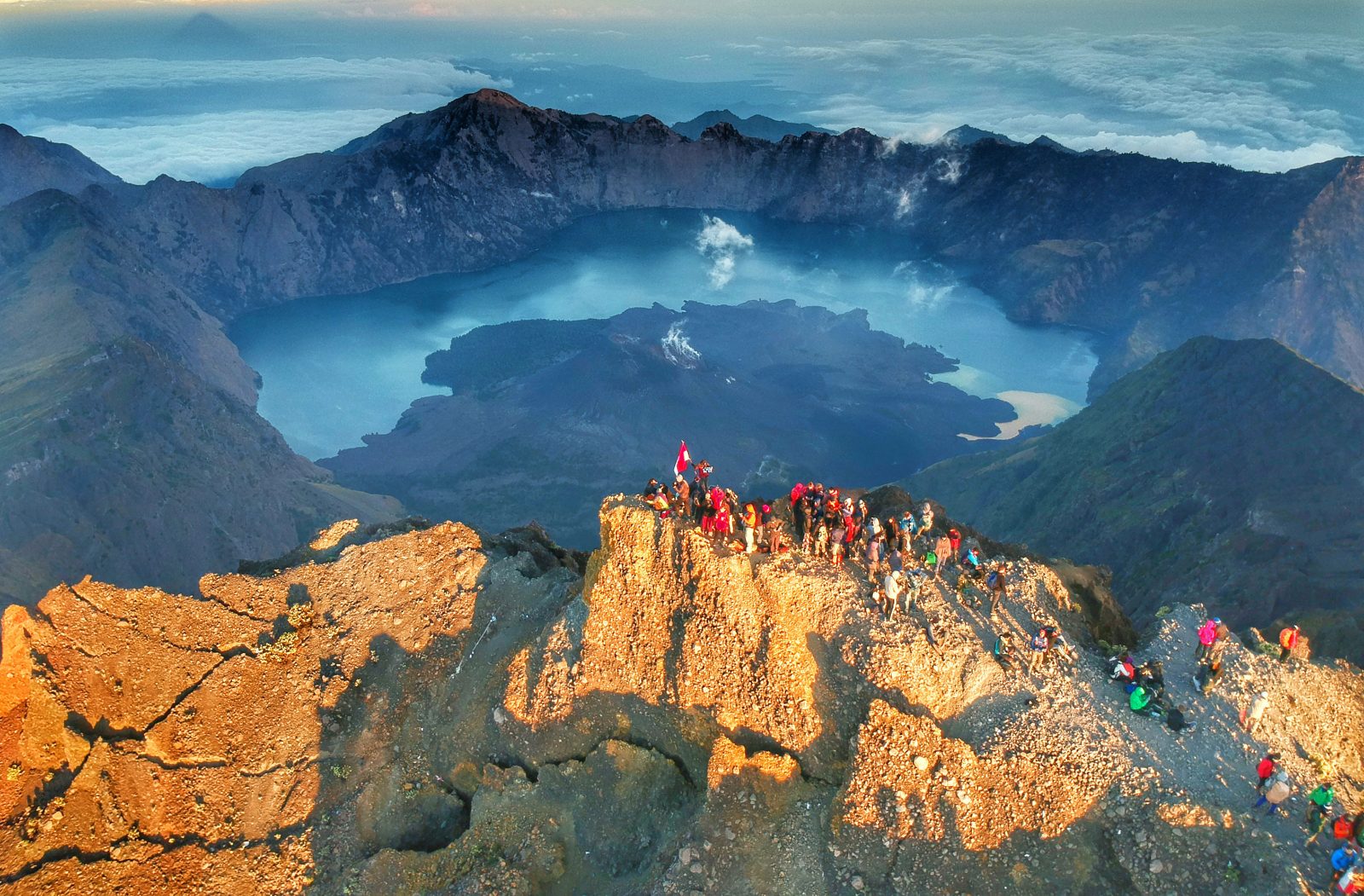
The Sembalun Route ascends 2,000 vertical meters over 8-10 hours on day one, making it the steepest and most direct path to the crater rim. Trekkers who underestimate this initial push often struggle with altitude and fatigue before reaching Sembalun Crater Rim camp at 2,639 meters. The second day's summit attempt begins in darkness, with headlamps illuminating the loose scree and volcanic rock that define the final 1,000-meter climb. The round-trip summit push takes four to five hours, and many trekkers find the descent—navigating steep, shifting gravel—more demanding than the ascent itself. The Senaru Route offers a gentler gradient but adds distance, typically requiring 7-9 hours to reach the same crater rim camp from the opposite side. This route passes through montane forest and savanna before emerging onto the exposed volcanic slopes, and trekkers who climb Mount Rinjani via Senaru often appreciate the ecological variety even as they add hours to their total trek time. The lake descent from the crater rim to Segara Anak adds another 600 meters of elevation loss and requires two to three hours each way, with natural hot springs providing a rest point before the steep return climb. Acclimatization matters. Trekkers ascending from sea level in Lombok to 3,726 meters within 48 hours frequently experience altitude-related headaches, nausea, and reduced performance above 3,000 meters. The four-day Rinjani climb timeline builds in an extra night at the crater rim, allowing your body to adjust before the summit push and significantly improving success rates. Porters and guides move at a sustainable pace, and attempting to rush the standard three-day route rarely saves meaningful time—it simply increases the likelihood of turning back short of the summit. Gate check-in at Sembalun or Senaru closes at 15:00, and starting later than mid-morning on day one leaves insufficient daylight for the initial ascent. The descent from Senaru on the final day takes five to six hours, and most trekkers exit the park by early afternoon. Weather patterns shift rapidly above 2,500 meters, and afternoon cloud build-up can obscure views and trails, making early starts non-negotiable for both safety and visibility on this demanding Lombok volcano trek.
“The summit push takes four to five hours round-trip, and many trekkers find the descent more demanding than the ascent itself.”
Typical Durations: How Long To Climb Mount Rinjani
Mount Rinjani treks range from 2 days/1 night to 3 days/2 nights depending on your destination and fitness level. The standard routes start from Sembalun or Senaru, with check-in closing at 15:00.
Begin trek from Sembalun gate
Register at the checkpoint (opens 07:00), meet your guide and porters, then start the ascent through savannah terrain toward Pos 1. Early starts maximize daylight and cooler temperatures.
Reach crater rim camp (2,639m)
Arrive at Sembalun Crater Rim campsite by late afternoon after 6-8 hours of trekking. Set up camp, rest, and prepare for either an overnight stay or a pre-dawn summit push.
Summit attempt (3,726m)
Start around 02:00-03:00 for the 2-3 hour climb to the summit, timing arrival for sunrise. This segment is optional—many trekkers choose the rim-only route and skip this stage.
Descend via Senaru route
After summit or breakfast at rim camp, begin the 7-9 hour descent through forest to Senaru gate. The descent is steep and requires knee support and trekking poles.
Explore Segara Anak Lake
On extended treks, descend to the crater lake (2,000m) on Day 2, camp overnight, then complete the Senaru descent on Day 3. This adds hot springs and closer lake access to your itinerary.
How Long To Climb Mount Rinjani Based On Seasonality
The dry season from April to November is the only realistic window to climb Mount Rinjani, since the park authority closes the mountain entirely from January through March for safety reasons. Within the dry months, June to August brings the most stable trail conditions and clearest summit views.
January to March
Park closed, no trekkersHeavy monsoon rain, landslide risk
Rinjani National Park suspends all trekking permits during this period because rain saturates the crater rim trails and raises the risk of landslides and flash floods. Climbing is not possible regardless of trekking pace.
April to May
Moderate, rising steadilyTransitional, 20-30°C, occasional showers
Trails reopen but can still be muddy after late rain, which slows the ascent and descent compared to peak dry months. Pack for sudden showers even on clear-looking days.
June to August
Peak crowds, especially July-AugustDriest, 15-28°C, cool nights at rim
This is the most stable stretch for footing on the volcanic scree, which keeps trekking pace consistent rather than slowed by slippery sections. It is also the busiest period, so trail congestion near the summit push can add waiting time.
September to November
Thinning crowds toward NovemberWarm and dry, shifting to early showers late Nov
Conditions stay favorable for firm footing through most of this window, with rain risk creeping in by late November. A good balance of manageable trail conditions and fewer people slowing group movement.
Verdict: June to August, and especially early September, offers the driest footing and most predictable trekking pace, while January to March should be avoided entirely due to the park's seasonal closure.
Arrival Logistics For How Long To Climb Mount Rinjani
Mount Rinjani is located in North Lombok, West Nusa Tenggara, Indonesia. Access to the primary trekking routes of Sembalun, Senaru, and Torean is most efficiently achieved by private transport or pre-arranged transfer from major Lombok transit hubs.
Transfer from Lombok International Airport (LOP) to Senaru or Sembalun
Private transport from Mataram or Senggigi to Rinjani gates
Essential Preparation For How Long To Climb Mount Rinjani
Complete these steps before starting your trek to avoid delays at the gate and ensure you have the necessary gear for multi-day high-altitude trekking.
-
Secure a licensed guide and porter team — Mount Rinjani National Park requires all trekkers to be accompanied by registered guides for safety and route management.
-
Obtain your SIMAKSI trekking permit — Registration through the national park system is mandatory and processed by your tour operator before departure.
-
Pack layered clothing and waterproof gear — Summit temperatures drop below freezing while tropical rain can occur year-round, requiring versatile equipment.
-
Bring sufficient high-energy food and electrolytes — Limited resupply points mean you must carry provisions for the full trek duration, typically 2-4 days.
-
Arrive at the trailhead before 15:00 — Gate check-in closes at 15:00 and earlier arrival ensures sufficient daylight for the initial ascent to base camp.