48 hr
Mount Rinjani Summit Trek - 2 Days
- Expert local guide
- Small group
- Skip-the-line access
- Free cancellation
Mount Rinjani Trekking Packages — Summit, Crater & Lake Adventures
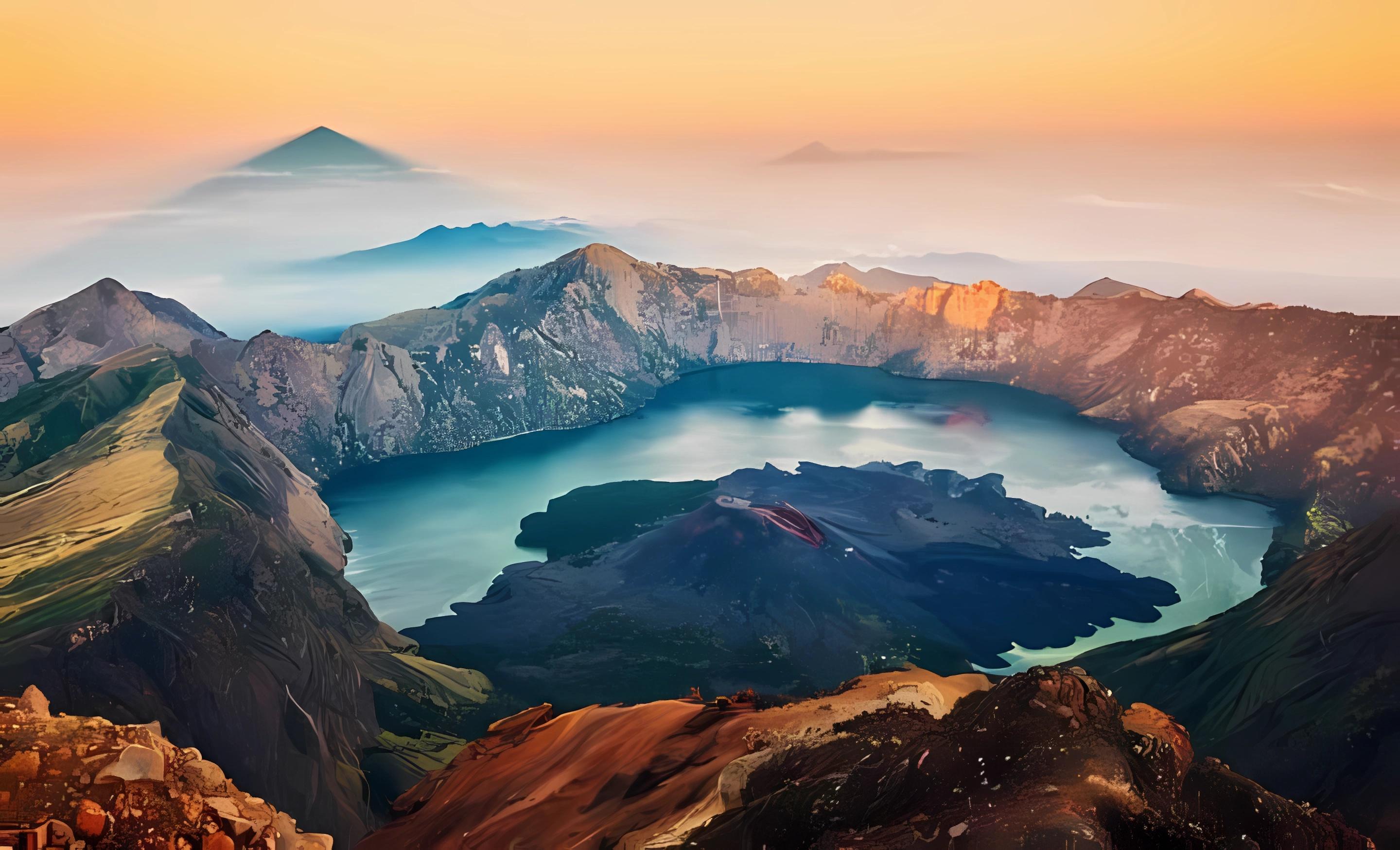
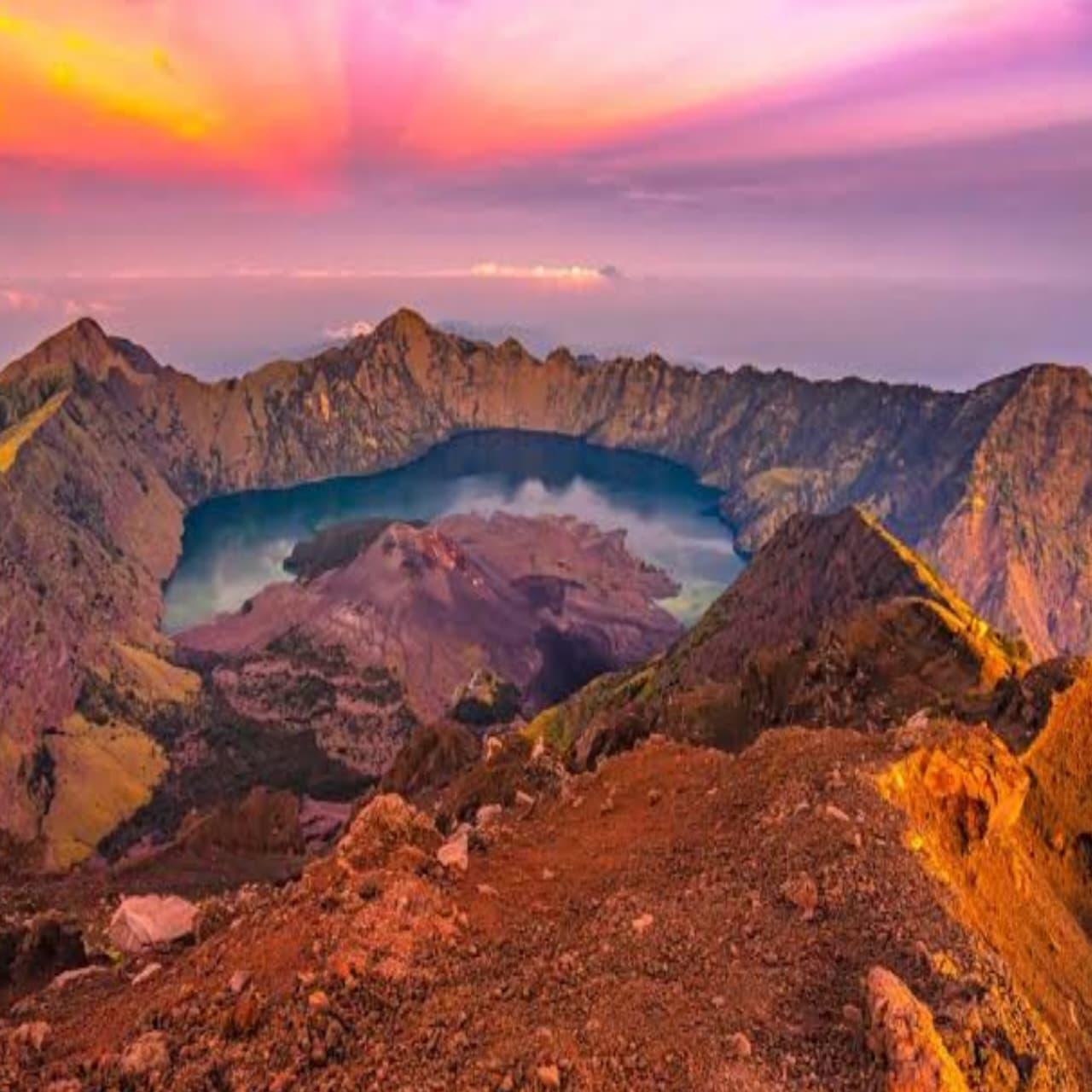
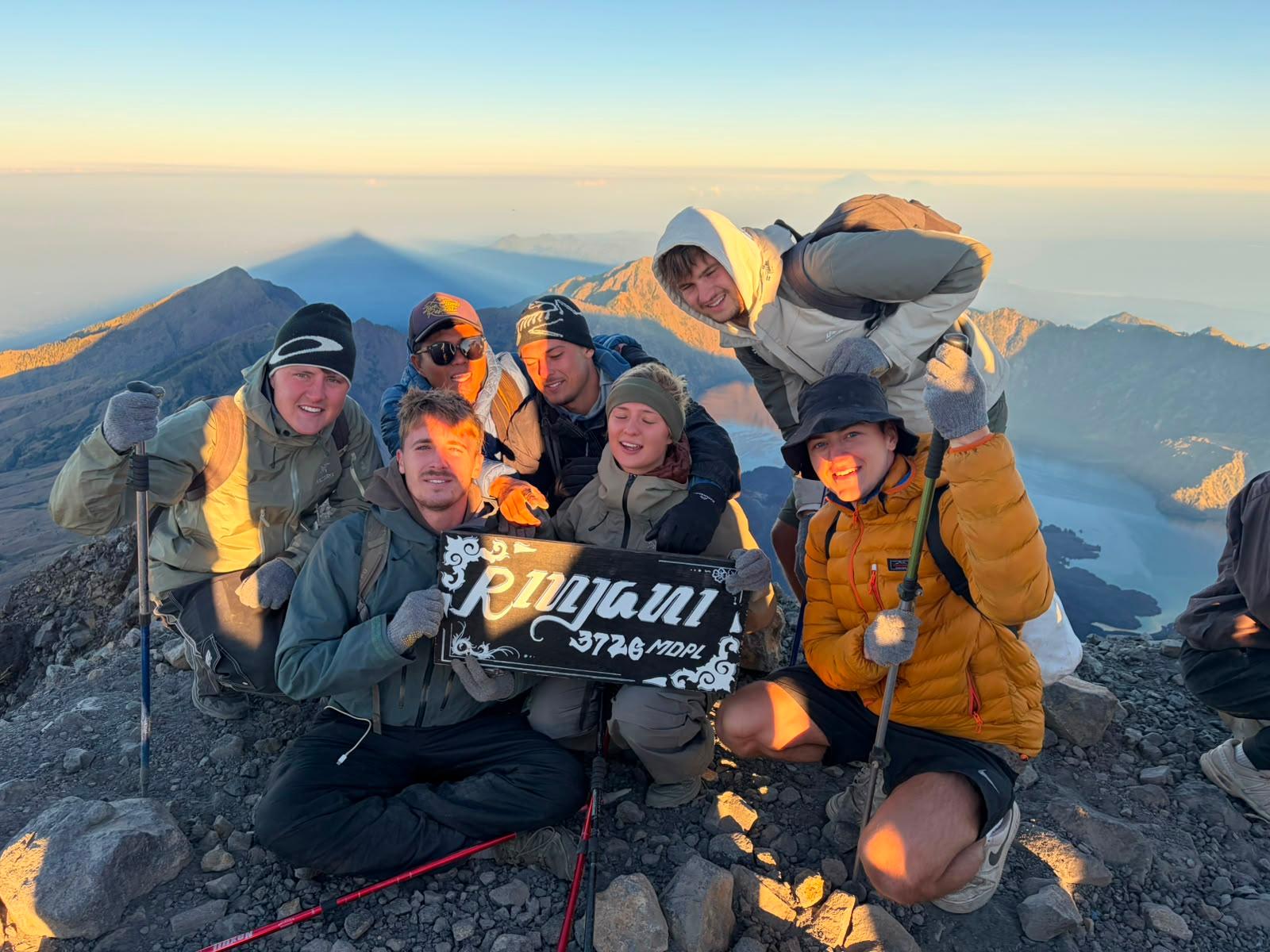
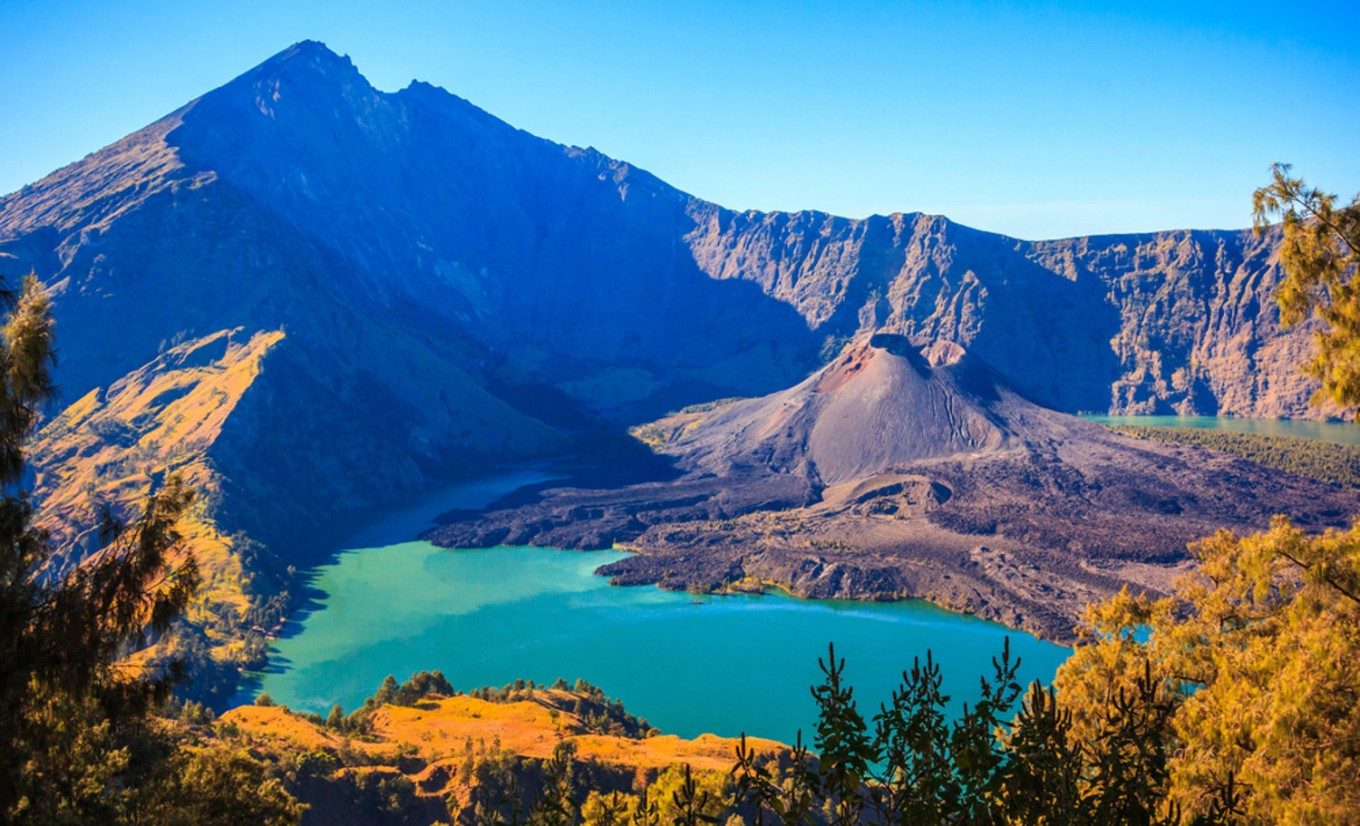
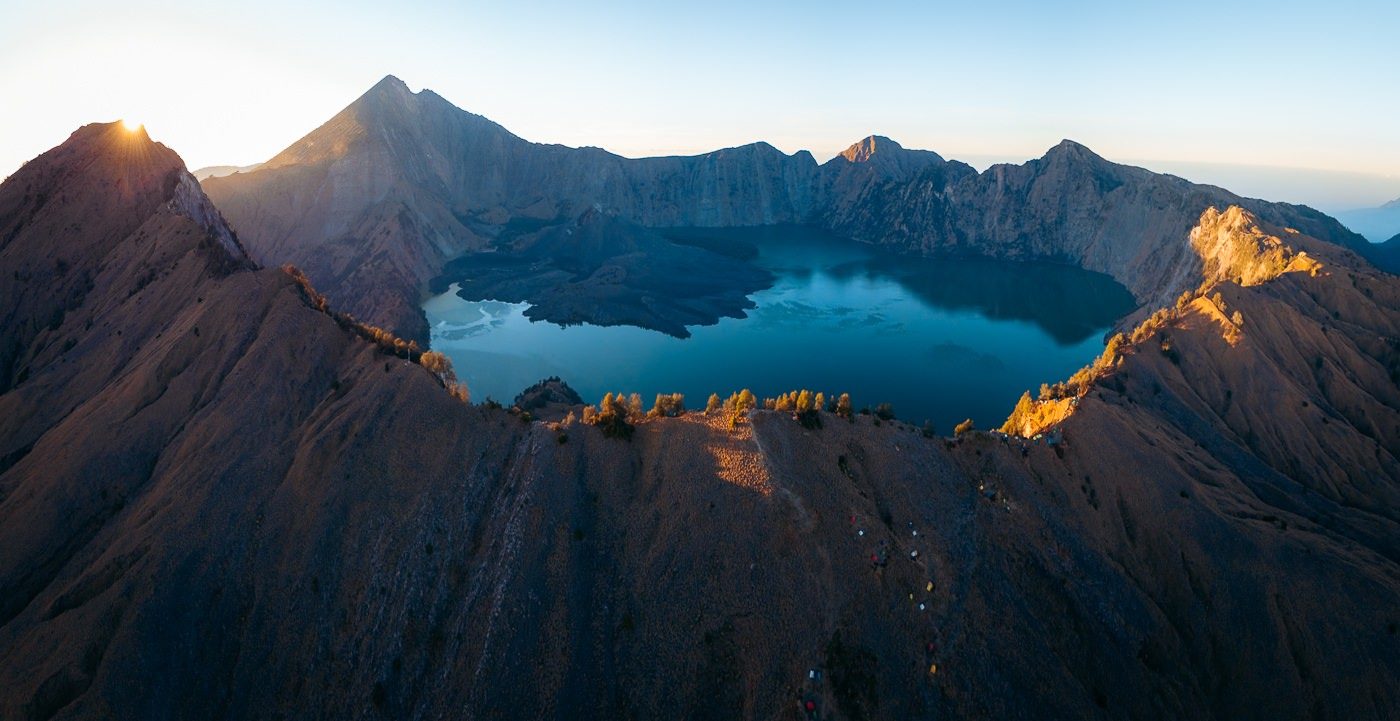
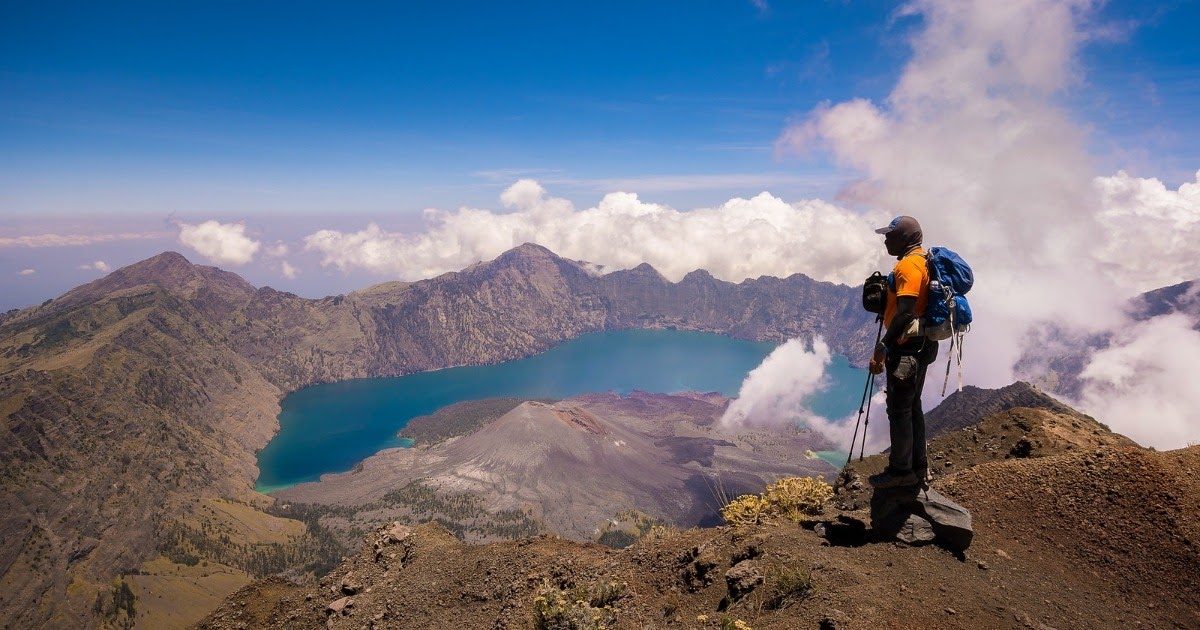
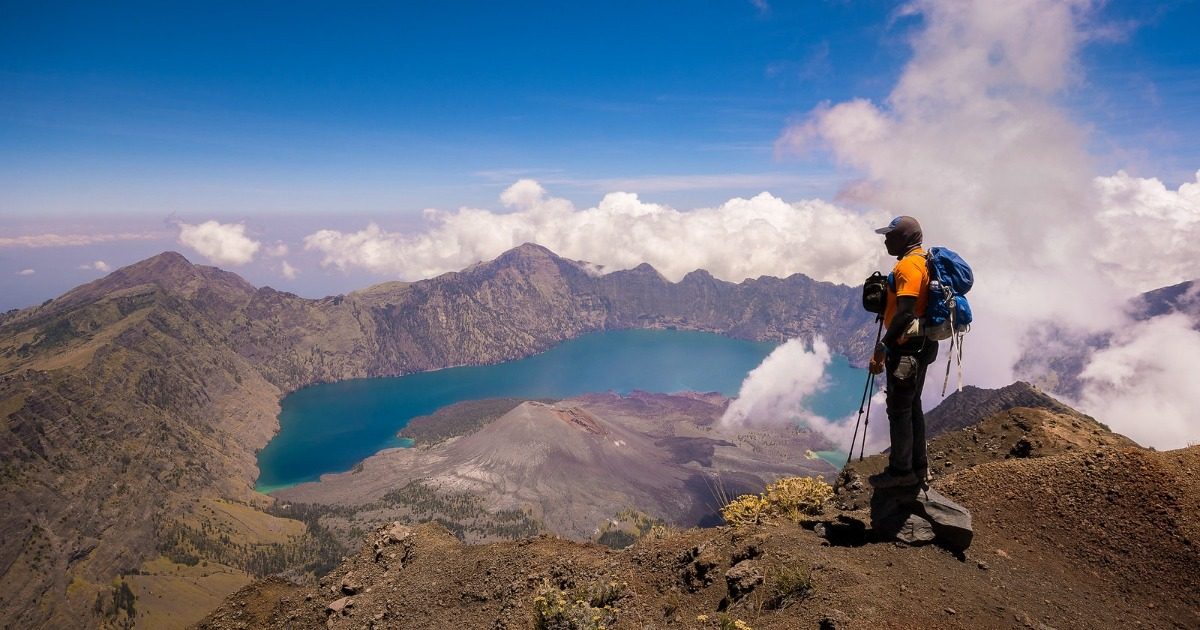
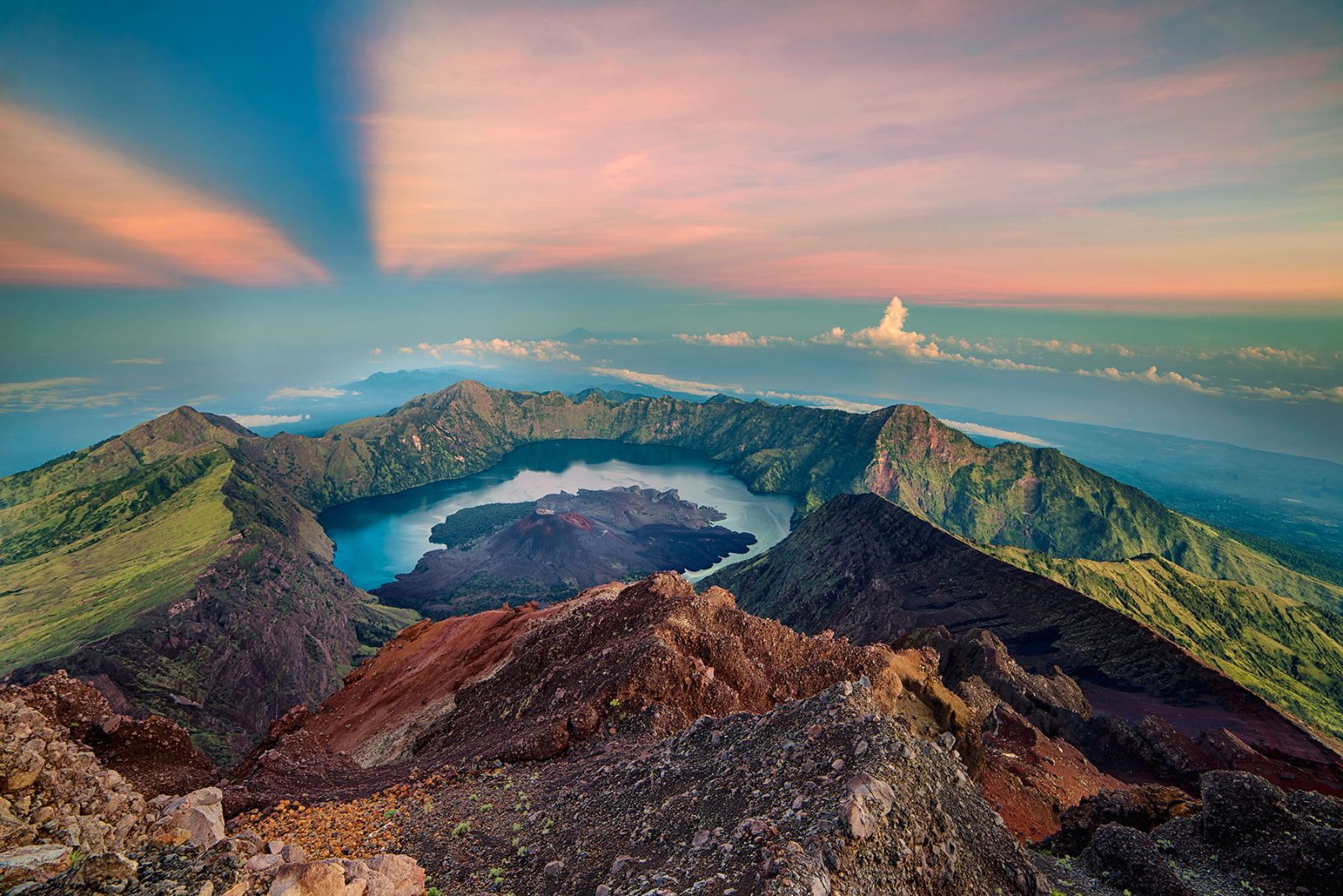
Dawn breaks at 3,726 metres, the Segara Anak crater glows below
Compare fares, pick the fit — all bookings are mobile-voucher and eligible for free cancellation where shown.
48 hr
48 hr
72 hr
Selecting the right mount rinjani trekking packages depends on your physical preparation and desired elevation goals. Visitors may choose between crater rim observation points, lakeside exploration, or the strenuous high-altitude ascent to the peak.
| Crater Rim Mid-Level Access |
Top pick Summit Expedition High-Altitude Access |
Lake & Hot Springs Secondary Area Access | |
|---|---|---|---|
| Target Fitness Level | Moderate | High | Moderate |
| Maximum Altitude | 2,641 meters | 3,726 meters | 2,000 meters |
| Primary Scenery | Crater Rim views | Volcanic peak panorama | Segara Anak Lake |
| Duration | 2 days | 3 days | 3 days |
| Route Difficulty | Challenging | Very demanding | Challenging |
| Best for | First-timers | Experienced hikers | Relaxed nature immersion |
| See tickets & prices |
Verdict: For those evaluating mount rinjani trekking packages tickets, we suggest the Summit Expedition for the most complete experience, while mount rinjani trekking packages tours to the Crater Rim offer a shorter commitment.
Worth it for fit hikers seeking summit achievement
Mount rinjani trekking packages deliver genuine value for adventurers prepared for strenuous multi-day ascents. The 250,000 IDR daily conservation fee covers park access, while organized tours bundle guides, porters, meals, and camping gear—removing logistical friction from Indonesia's second-highest volcano. Two-day summit treks target the 3,726-meter peak via steep trails demanding solid fitness, while three-day routes add the turquoise Segara Anak crater lake and natural hot springs. The caldera panorama and sunrise from Rinjani's summit reward the physical toll, but this isn't a casual hike—expect 8–10 hour trekking days, altitude effects above 3,000 meters, and basic mountain campsites. Lombok volcano expeditions suit experienced trekkers who value raw alpine challenge over comfort. Families with young children and those uncomfortable with primitive facilities should skip it. Mount rinjani trekking packages tours eliminate the complexity of permit logistics and backcountry navigation, letting you focus on the ascent itself.
Bottom line: If you're fit and crave authentic alpine challenge, mount rinjani trekking packages tickets deliver one of Southeast Asia's most rewarding summit climbs.
Mount Rinjani trekking packages offer a multi-day high-altitude expedition, whereas the Batur sunrise tour serves as a concise, accessible volcanic hike.
|
Top pick Mount Rinjani |
Mount Batur | |
|---|---|---|
| Duration | 2–4 days | |
| Elevation | 3,726 m | |
| Difficulty | Challenging (Grade IV) | |
| Scenery | Crater lake and summit | |
| Logistics | Multi-day guided camping | |
| Conservation Fee | 250,000 IDR (daily) | |
| See tickets & prices |
Verdict: Choose the Rinjani trekking packages if you seek a multi-day endurance challenge; opt for the Batur tour if you prefer a brief, accessible sunrise experience.
Hand-picked experiences loved by thousands of travelers
2 days
Free Cancellation
Ascend Lombok's iconic volcano through lush rainforest to camp at 2,641m with panoramic sunset vistas
2 days, 1 night
Free Cancellation
Conquer one of Indonesia's most spectacular volcanic peaks with an overnight camping expedition
2 days
Free Cancellation
Conquer Indonesia's second-highest volcano on this challenging two-day climb through savanna grasslands to the 3,726m summit.
3 days
Free Cancellation
Conquer Indonesia's second-highest volcano on this three-day expedition to Rinjani's summit, crater lake, and natural hot springs
2 days
Free Cancellation
Conquer Lombok's volcanic peak with sunrise summit views, crater rim camping, and savanna trails
3 days
Free Cancellation
Conquer Indonesia's second-highest volcano with sunrise summit views, crater lake hot springs, and diverse terrain.
3 days
Free Cancellation
Conquer Indonesia's second-highest volcano on this challenging 3-day adventure through savannas and rainforest
2 days
Free Cancellation
Multi-day hiking expedition up Indonesia's iconic volcano with camping under the stars
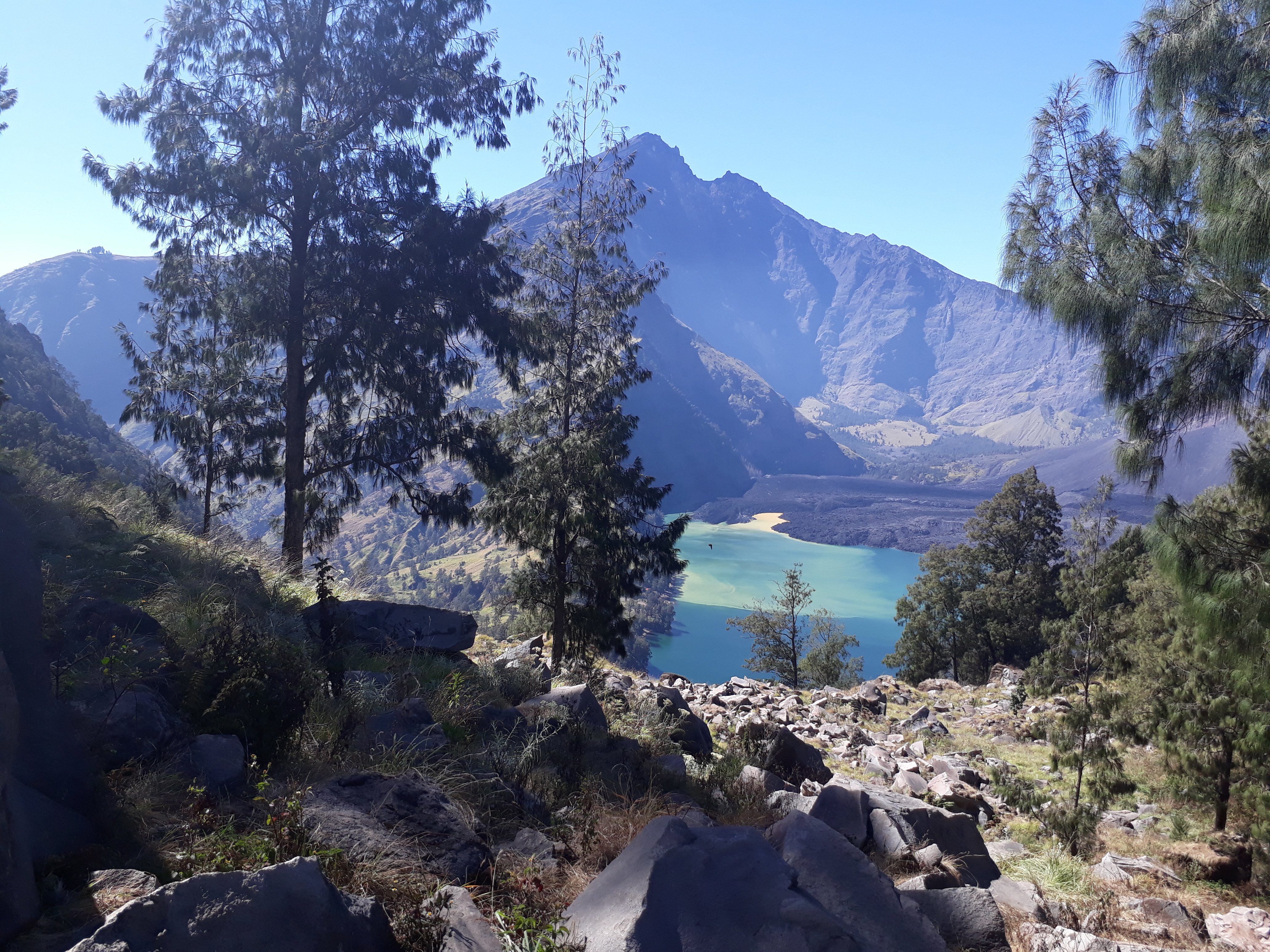
A crescent-shaped caldera lake formed after a major historic eruption, sitting at roughly 2,000 meters elevation inside Rinjani's outer crater. Natural hot springs along its shore, known as Aik Kalak, are a favored soak for trekkers on day two of the loop route.
At 3,726 meters, this is Indonesia's second-highest volcano summit, reached via a steep pre-dawn scree climb that gains roughly 1,000 meters in a few hours. Clear-morning views extend across Lombok and toward Bali's Mount Agung on the horizon.
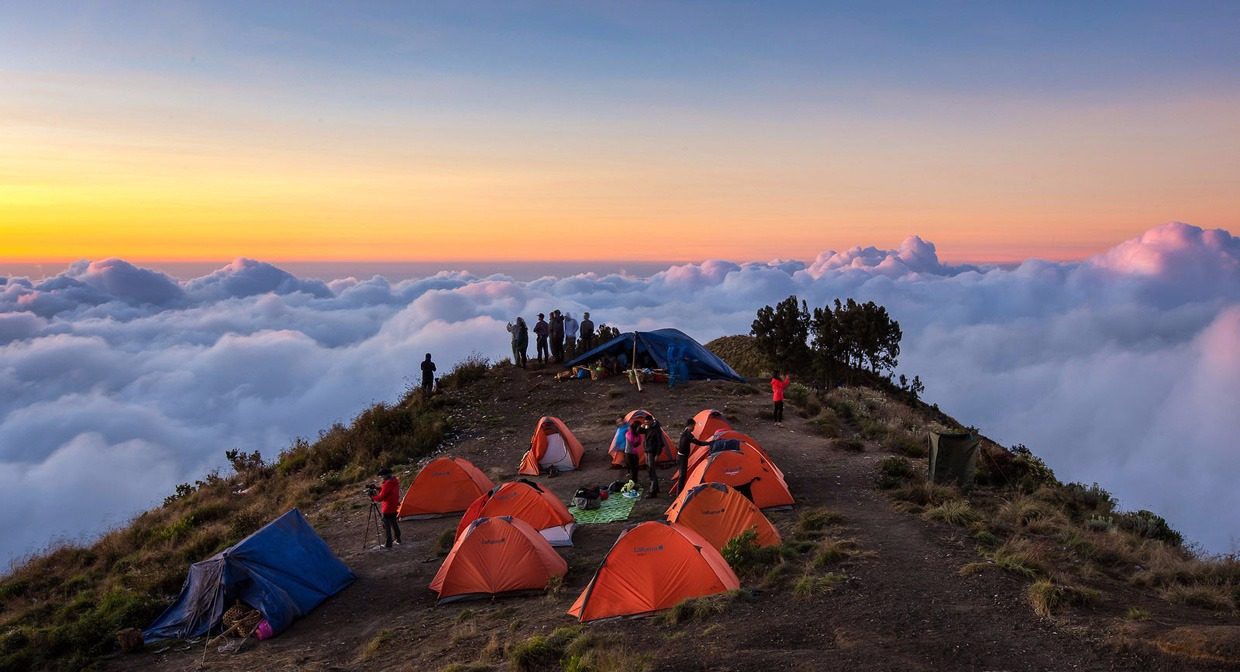
A ridge-top camping area at around 2,600 meters that serves as the staging point for the final summit push. Strong winds and near-freezing overnight temperatures are common here even in the dry season.
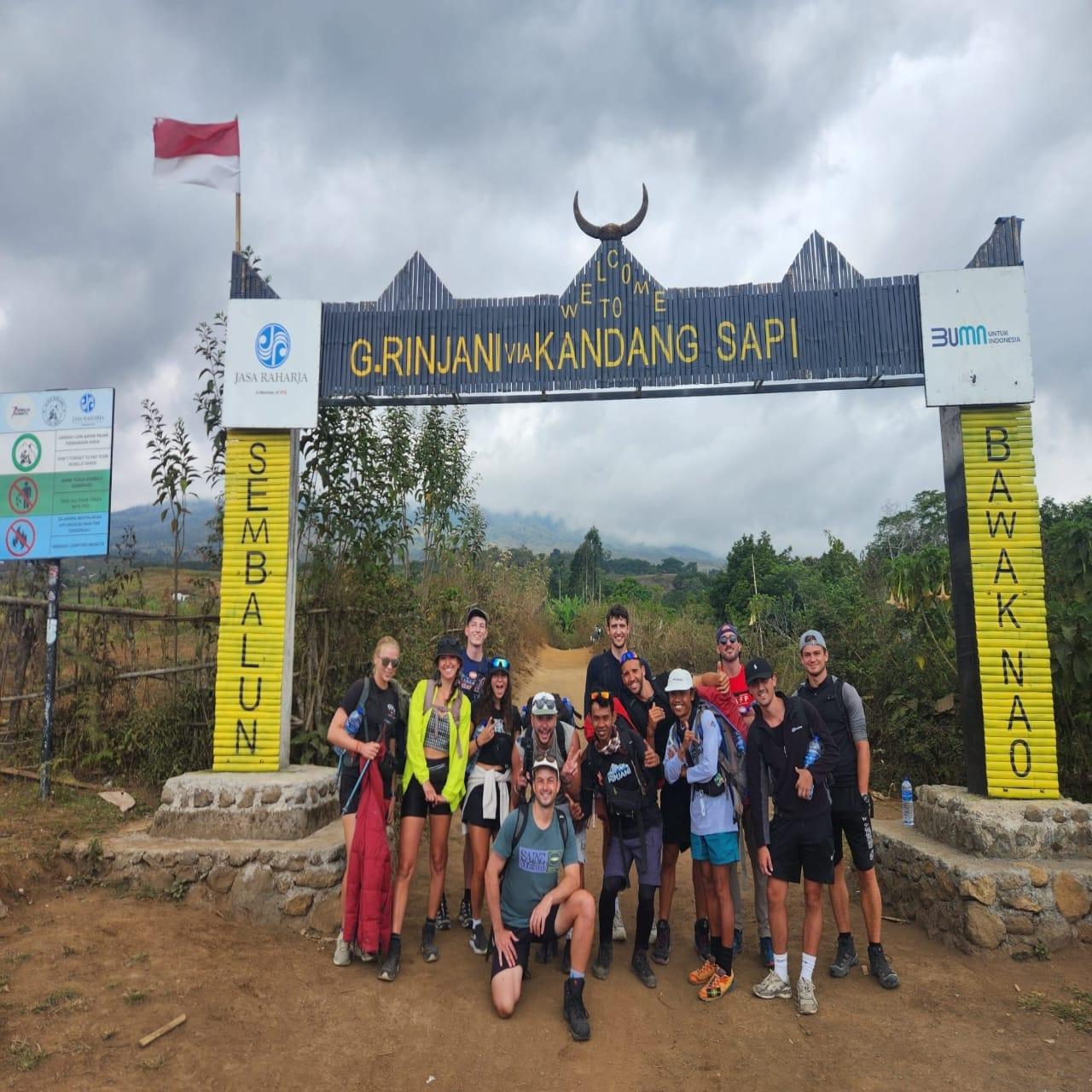
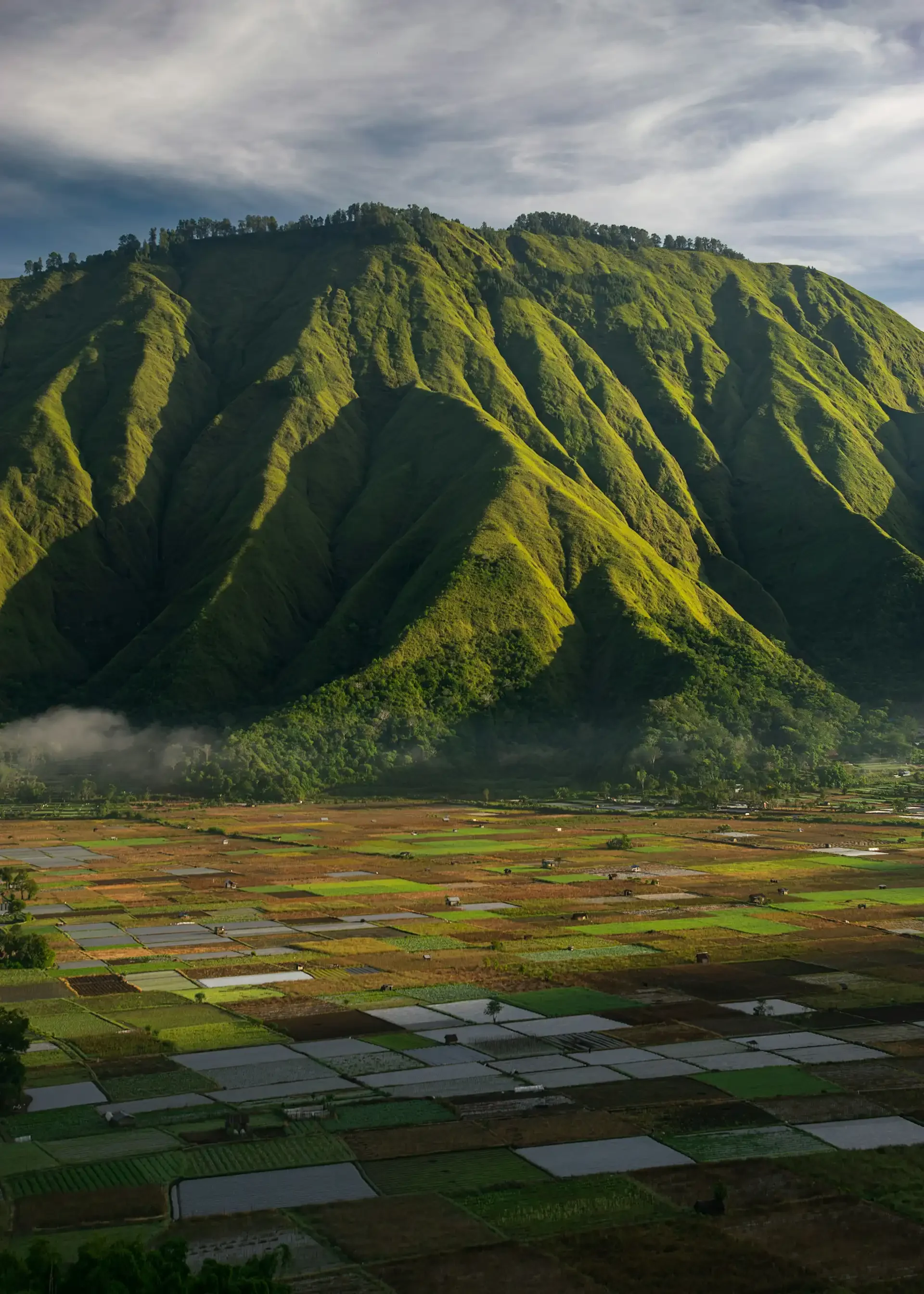
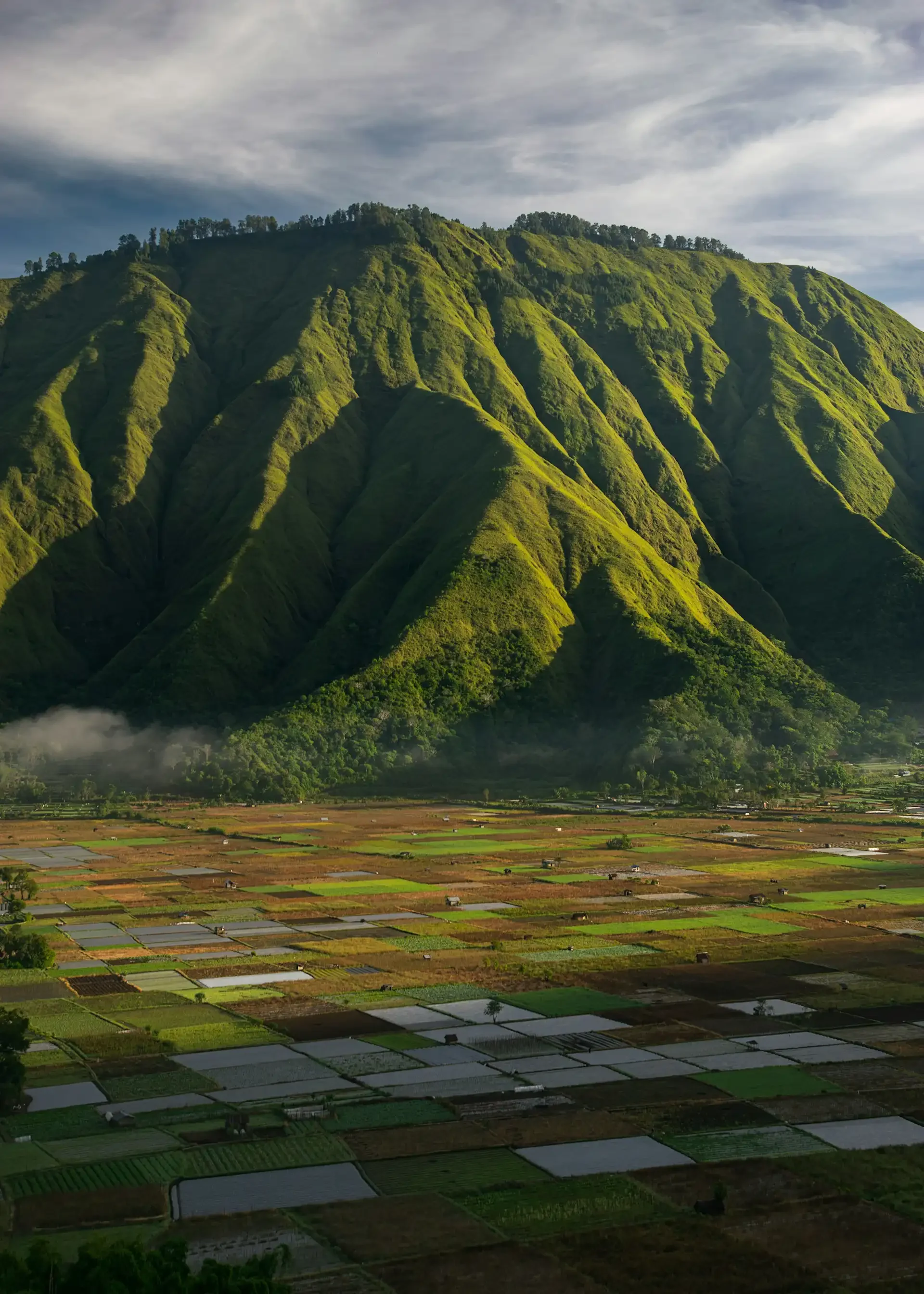
An expansive grassland valley on the eastern approach, characterized by rolling savanna hills rather than dense forest. It provides the first open views of the volcano's cone for trekkers starting from the Sembalun side.
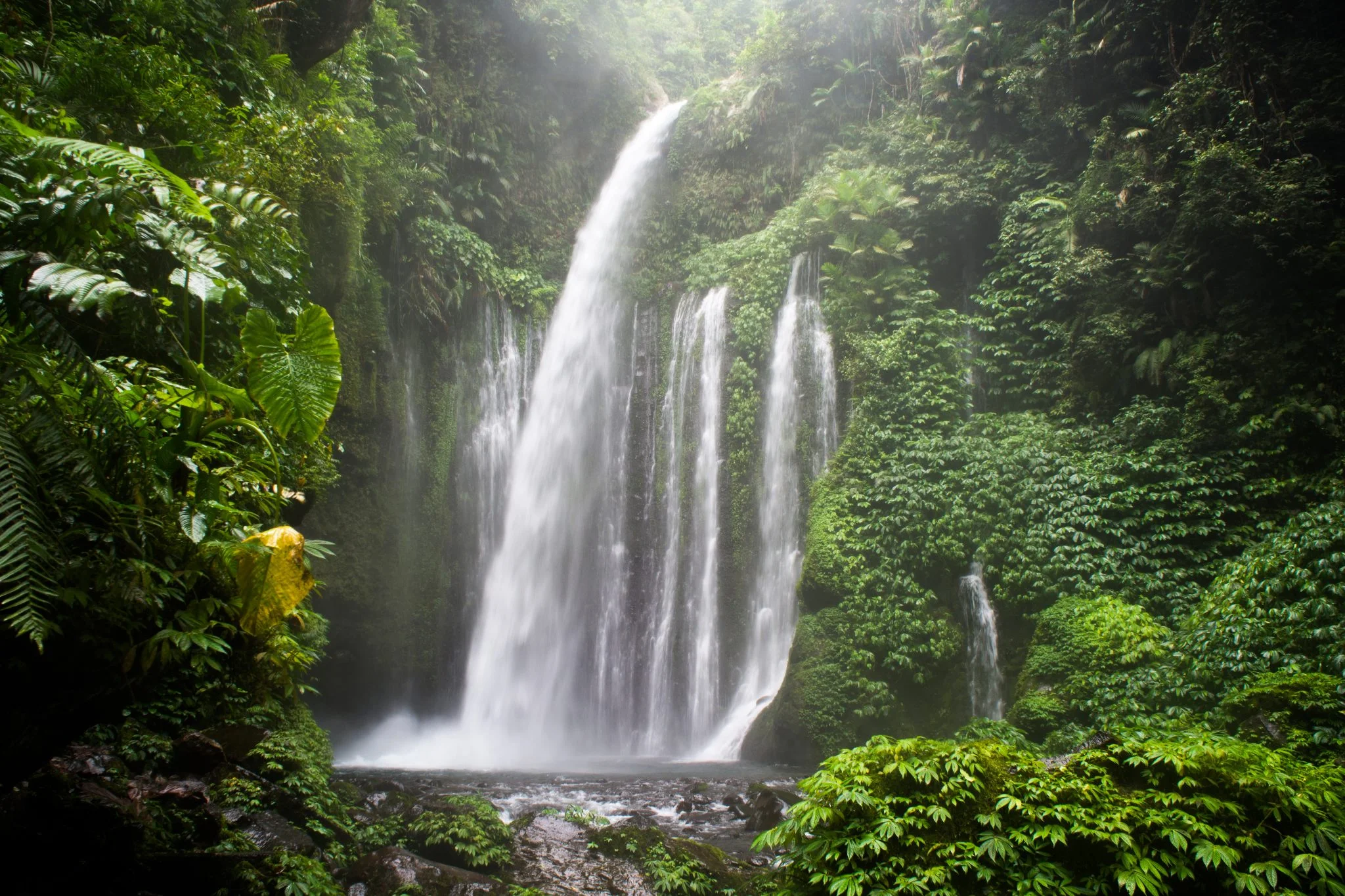
A multi-tiered waterfall near the Senaru trailhead, reachable on a short side trek through river crossings and jungle path. Its wide curtain of falling water drops roughly 45 meters into a plunge pool popular for swimming.
The forested rim above Senaru offers the first full view down into the Segara Anak caldera after a steep multi-hour climb through montane forest. Cloud forest along this stretch shifts abruptly to open volcanic terrain near the rim edge.
All the details about your upcoming adventure in one place
Mount Rinjani's volcanic cone rises 3,726 metres above Lombok, making it Indonesia's second-tallest peak and the highest point in the Lesser Sunda Islands.
The stratovolcano last erupted in 2016, sending ash plumes four kilometres into the atmosphere and closing the mountain for eight months while trail infrastructure was rebuilt. Today the Rinjani Trek Centre in Senaru and Sembalun villages manages all permitted ascents through Mount Rinjani National Park, a 41,330-hectare conservation zone established in 1997 to protect submontane forests, the endangered ebony leaf monkey, and 109 bird species including the yellow-crested cockatoo.
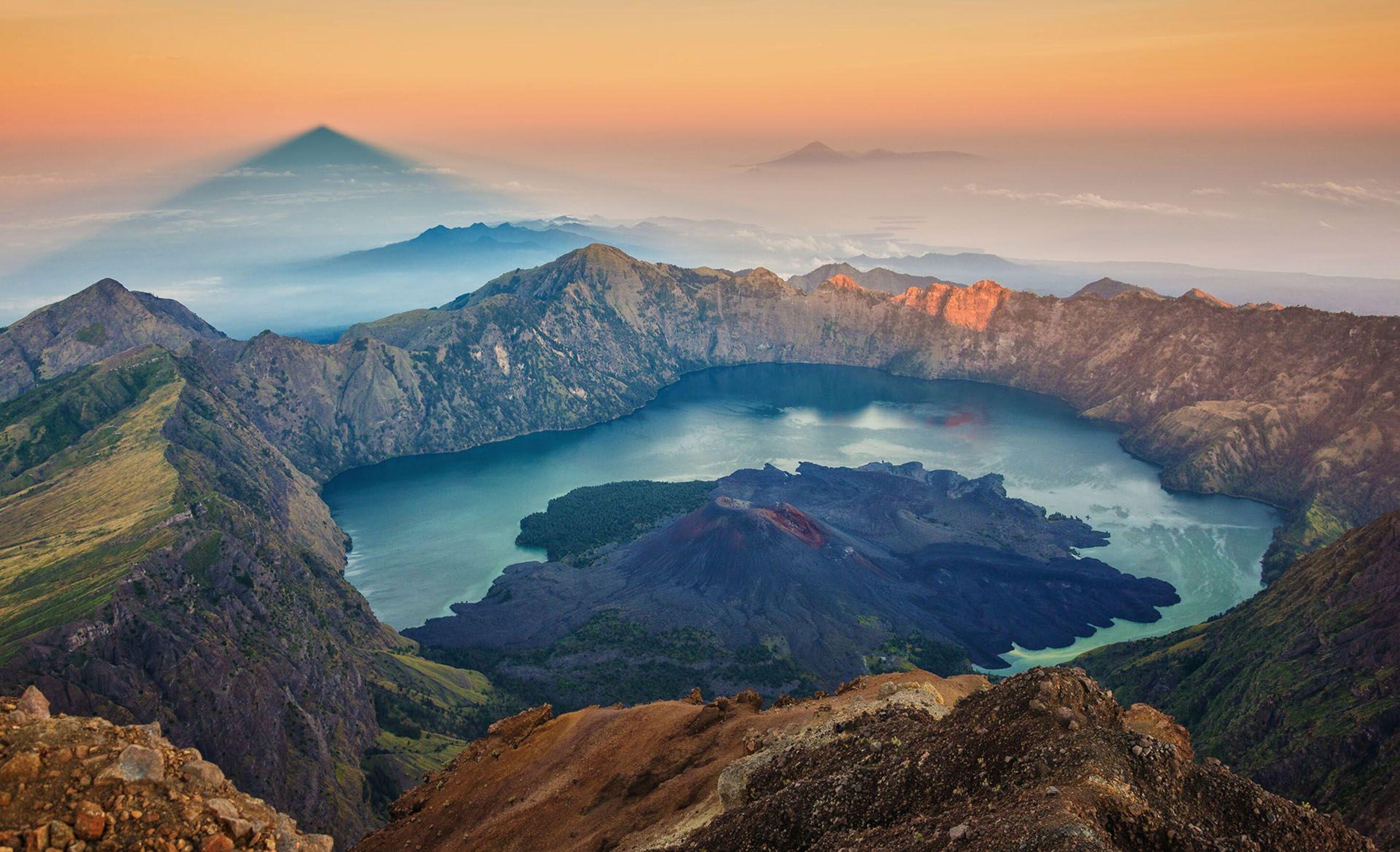
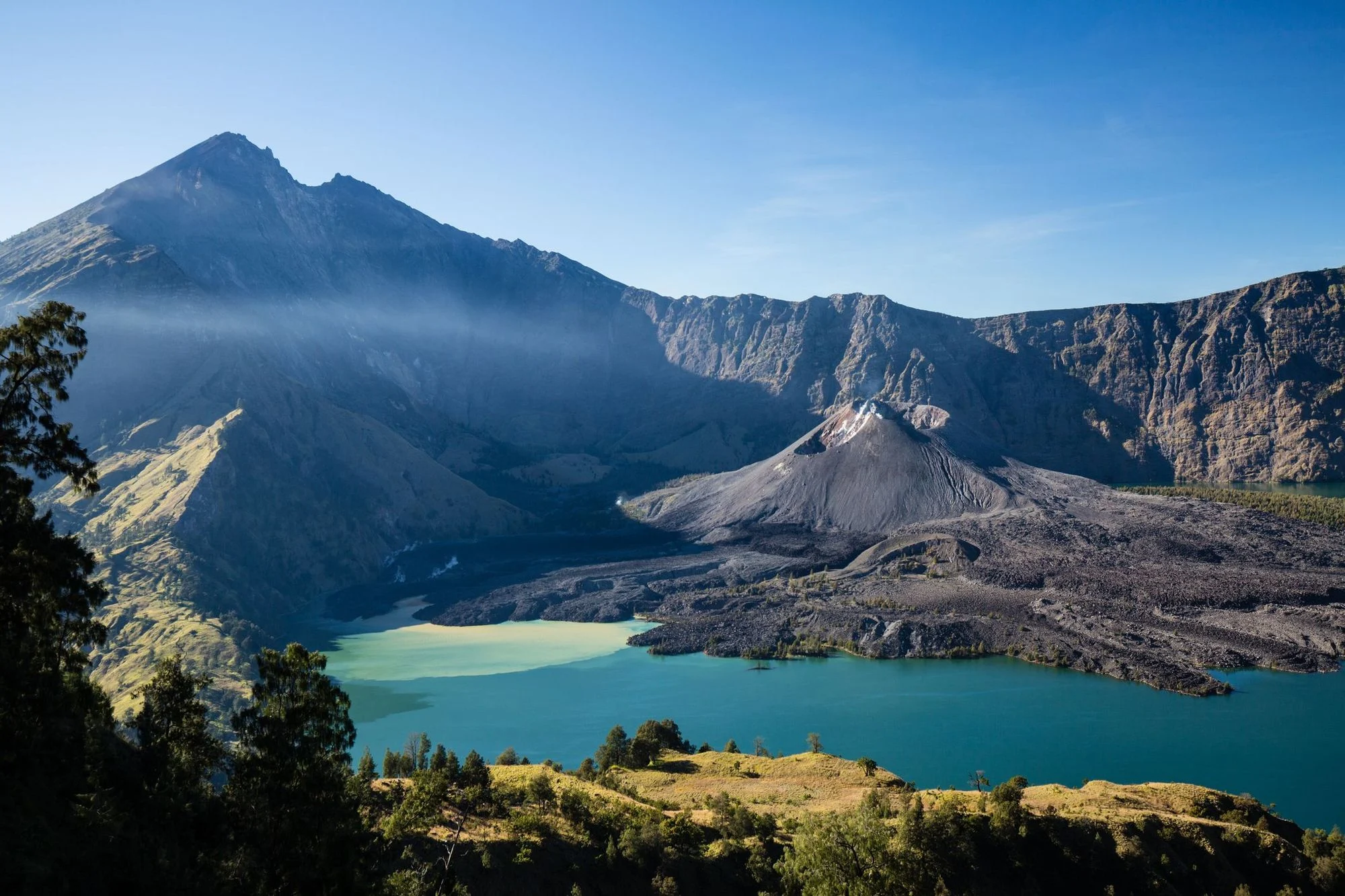
The mountain's caldera holds Segara Anak, a crescent lake 2,000 metres above sea level and six kilometres across, its turquoise water fed by underground springs. Within the lake rises Gunung Barujari, an active cone that emerged after Rinjani's 1257 eruption—one of the most powerful volcanic events in recorded history, believed to have triggered global cooling and crop failures across Europe. Geothermal vents along the eastern shore produce natural hot springs, their sulphurous water pooling at 40 degrees Celsius year-round. Sasak and Balinese pilgrims have climbed Rinjani for centuries to leave offerings at the crater rim during the annual Pekelan ceremony, held each full moon between October and December.
Most mount rinjani trekking packages depart from Sembalun village at 1,150 metres elevation, following the southeastern ridge through savannah grasslands and Casuarina forests before ascending the exposed scree slope to Rinjani's summit. The alternative Senaru route enters from the north, descending directly into the caldera to camp beside Segara Anak before the final summit push. Both trails converge at Pelawangan II, the 2,700-metre saddle where trekkers stage pre-dawn summit attempts. The conservation fee of 250,000 IDR per person per day funds trail maintenance, porter welfare programs, and reforestation projects replanting endemic species like Vatica umbonata and Ficus species across fire-scarred slopes.
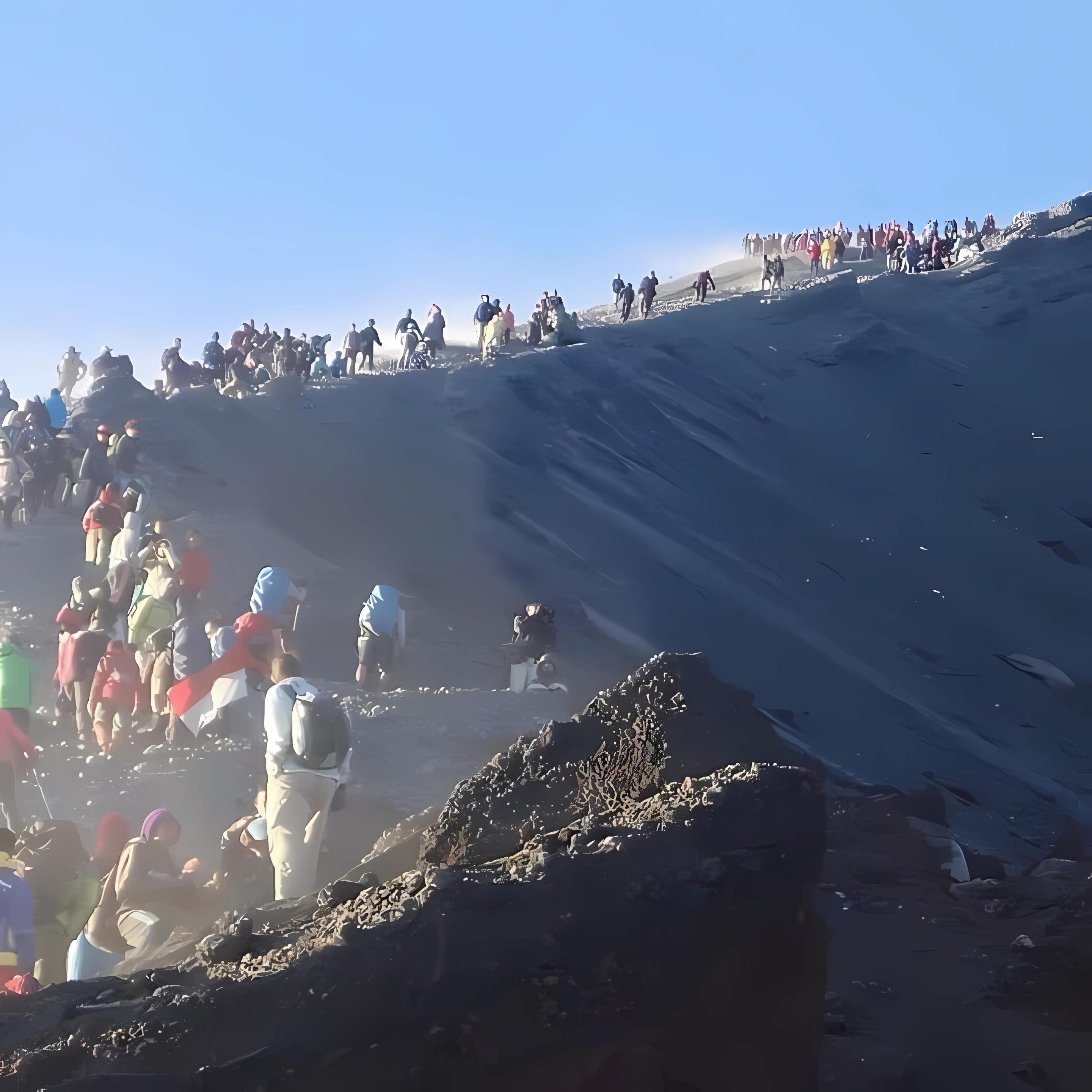
The 2016 earthquake damaged 80 percent of Rinjani's trails, prompting the park authority to implement new campsites with permanent toilet facilities and designated cooking zones at Pelawangan I, Pelawangan II, and Segara Anak. Park gates open at 07:00, and all trekkers must register at checkpoints in Senaru or Sembalun before departure. The dry season from May through October offers the clearest weather, though afternoon cloud build-up obscures summit views after 14:00 most days.

The mountain's 1257 eruption triggered global cooling and crop failures across medieval Europe.
Most Mount Rinjani trekking packages allow free date changes or a full refund if canceled at least 7 days before departure, since permits and porter crews must be arranged in advance. The 250,000 IDR per person per day conservation fee is generally non-refundable once the park permit has been issued, even if the trek itself is postponed.
Weather · crowds · average price — dots go green to amber to red as each metric rises.
Trails are firm and visibility for the crater rim and summit is at its clearest, making this the peak booking period for mount rinjani trekking packages. Daytime temperatures on the lower trail sit around 20–28°C, dropping near freezing at the summit before dawn.
Independent trekking without a licensed guide is not permitted on Mount Rinjani, so all mount rinjani trekking packages must include a certified guide and crew.
Mount Rinjani's transformation into an organized trekking destination began in 1990, when the Indonesian government designated 41,330 hectares of volcanic terrain as Gunung Rinjani National Park. Before formal protection, Sasak communities had traversed these slopes for centuries, conducting spiritual pilgrimages to the crater lake they called Segara Anak—Child of the Sea. The 3,726-meter stratovolcano had erupted violently in 1847 and again in 1994, reshaping the caldera and deterring all but the most determined climbers. By the late 1990s, international adventure tourism had discovered Lombok, and mount rinjani trekking packages emerged as village cooperatives in Senaru and Sembalun formalized guide services and porter networks. The 2000 establishment of the Rinjani Trek Management Board marked the first coordinated regulatory effort. Porters, previously unregulated and often exploited, gained minimum wage standards and load limits of twenty-five kilograms. The devastating 2018 earthquakes—measuring 6.4 and 6.9 within two weeks—triggered landslides that killed sixteen trekkers and severed access routes. The park closed for eight months while engineers rebuilt the Sembalun trail and installed early-warning systems. Reopening in 2019 introduced mandatory conservation fees of 250,000 IDR per person per day, funding erosion control and waste removal from the 10,000 annual trekkers who had left an estimated fourteen tons of refuse on summit approaches. Today's mount rinjani trekking packages tours operate under a permit system capping daily entries at three hundred climbers during peak season. The Sembalun route, reconstructed with reinforced switchbacks, now serves seventy percent of ascents, while the traditional Senaru path remains popular for its primary forest transect. Rinjani trekking itineraries range from two-day summit pushes to four-day crater rim circuits that include Segara Anak's hot springs and the post-1994 cone, Gunung Baru Jari. The park's 2023 drone surveillance program reduced illegal camping by forty-one percent, preserving fragile alpine meadows above 2,600 meters that host endemic edelweiss species found nowhere else in Southeast Asia.
Violent eruption reshapes Rinjani's caldera, creating the modern crater configuration.
Indonesian government establishes Gunung Rinjani National Park across 41,330 hectares.
Fresh eruption forms Gunung Baru Jari cone within Segara Anak crater lake.
Rinjani Trek Management Board formalizes porter protections and guide licensing.
Twin earthquakes kill sixteen trekkers and trigger eight-month park closure for trail reconstruction.
Mandatory conservation fees and daily entry caps implemented to control environmental impact.
Drone surveillance program launches to enforce camping regulations and monitor alpine zones.
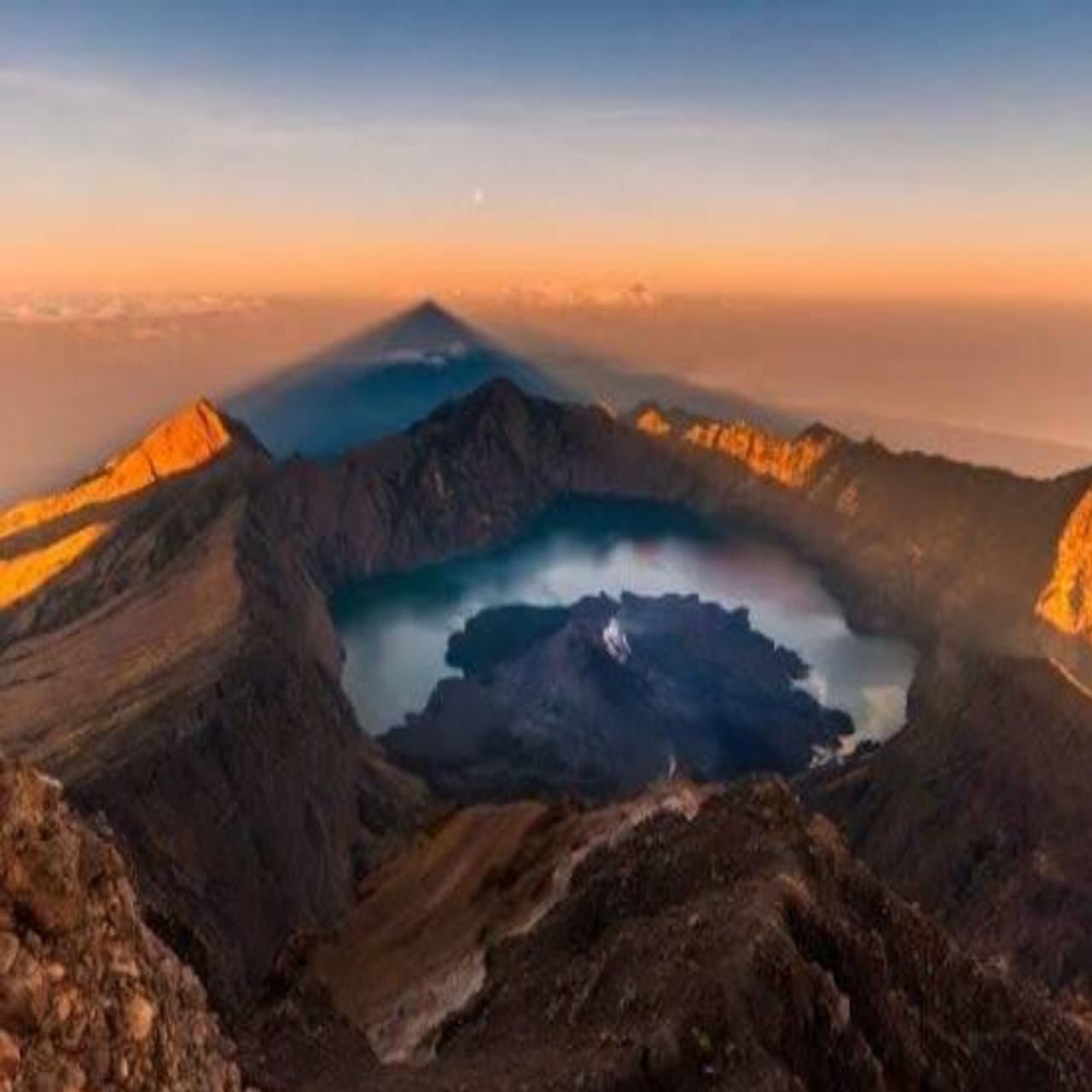
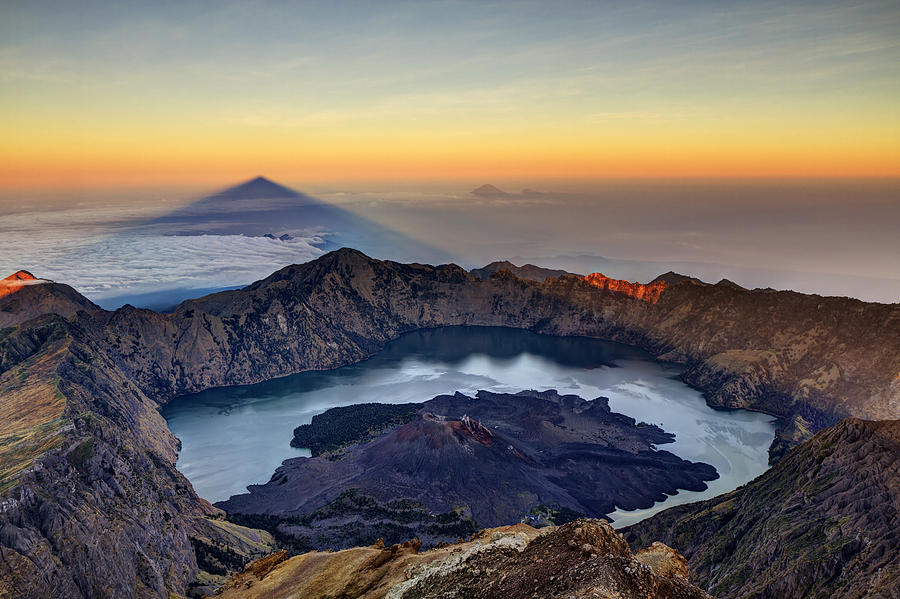
Capture the jagged volcanic silhouette against the morning sky from this high-altitude vantage point. Photographers should position themselves along the ridge line to frame the shadow cast by the peak.
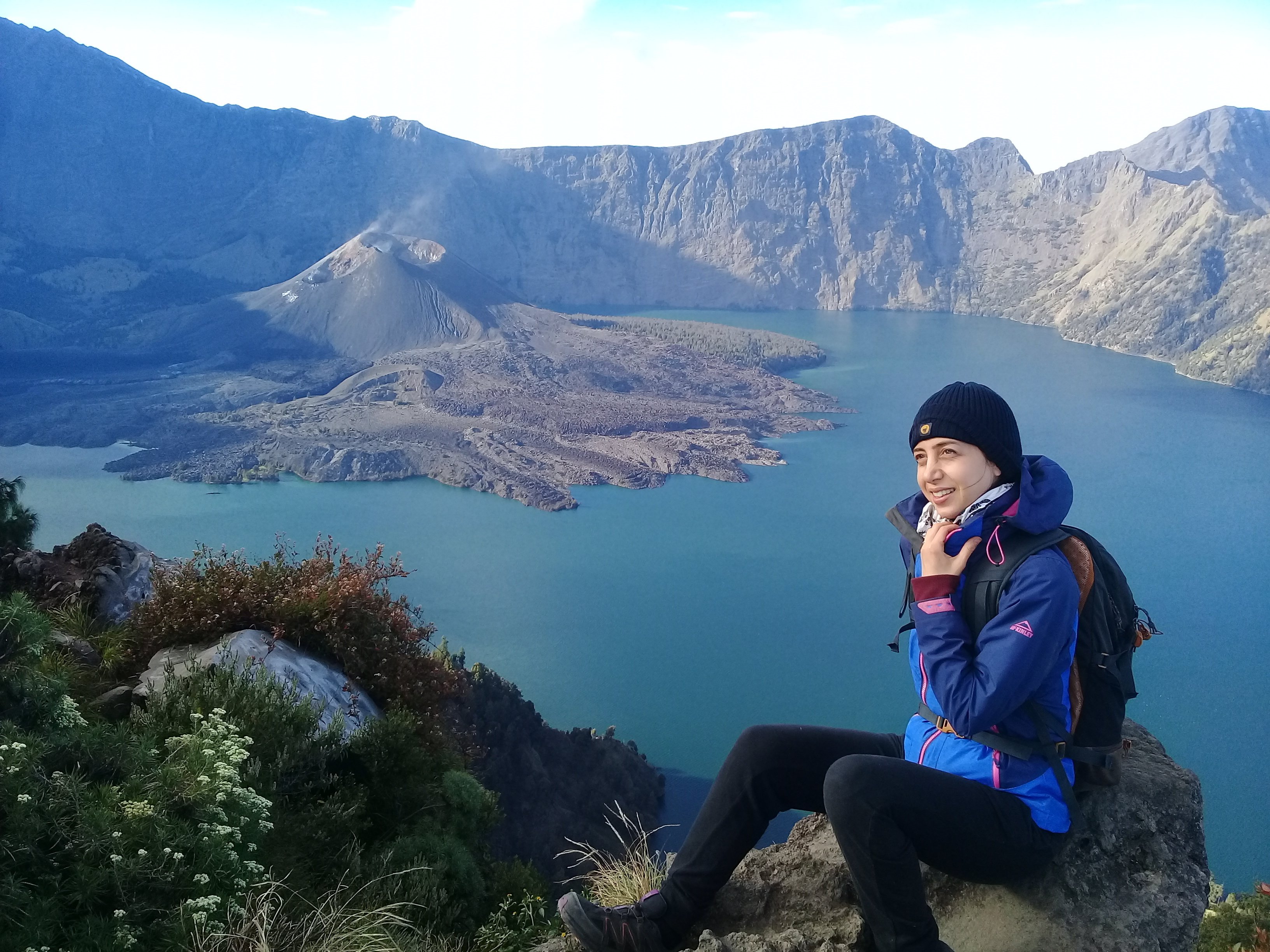
This turquoise crater lake provides a vast foreground element for shots of the caldera wall. Stand near the shoreline camp area to balance the water reflection with the surrounding steep cliffs.
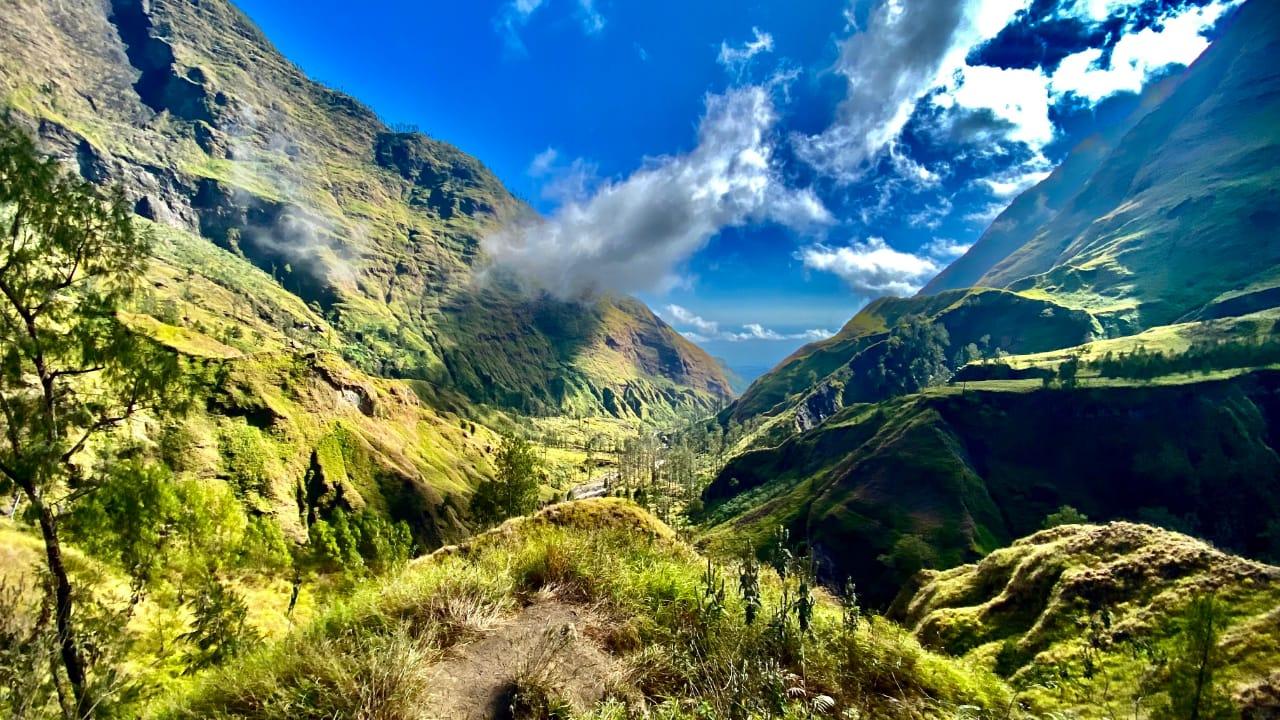
This location offers a clear view of the mountain peak and the lush valley below. Use a wide-angle lens here to capture the scale of the landscape within mount rinjani trekking packages tours.
This ridge provides a framed perspective of both the volcano and the distant northern coastline. It is a preferred spot for those utilizing mount rinjani trekking packages tickets to document the transition between forest and alpine terrain.
This panoramic vantage point highlights the geological formation of the volcano. Secure a spot on the edge for a composition that includes the summit and the mount rinjani trekking packages tour path below.
Mount Rinjani trekking packages are built for active families with older kids and teens, not toddlers or strollers, since every route involves steep volcanic trails, multi-hour hikes and overnight camping. Younger children can still enjoy the lower national park area, but the summit and crater rim itineraries demand real hiking stamina.
Not usable anywhere on the mountain. Trails are unpaved volcanic terrain with steep, rocky sections, so even the shortest access paths near the entrance require sturdy hiking shoes, not wheels.
Most operators set a practical minimum around 12-15 years for the multi-day crater rim mount rinjani trekking packages tours, since routes involve 6-10 hour hiking days and cold overnight camps. Younger kids can join short valley walks near the park entrance instead of the full summit routes.
No baby-change stations or formal rest areas exist beyond basic toilets at designated campsites and the park gate. Families should pack their own supplies, as amenities thin out fast once past the entrance checkpoint.
Multi-day rinjani trekking package tour itineraries move slowly by design, with frequent rest stops built in for porters and less experienced hikers. Parents trekking with teens should still budget extra buffer time on summit push mornings, which start well before dawn.
Porters cook simple trail meals (rice, noodles, eggs) at camp, but variety is limited and there are no restaurants past the entrance. Bring familiar snacks for kids who are picky eaters, since options narrow considerably above the first camp.
Trails become slippery and visibility drops fast in rain, so guides may adjust or delay departure times rather than push through bad weather with young trekkers. Booking a flexible-date package gives families room to shift the start day if conditions turn poor.
Everything you need to know for your journey
No, the terrain is entirely unpaved volcanic trail with steep sections, so mount rinjani trekking packages are not suitable for wheelchair users or visitors with significant mobility restrictions.
Single-use plastics, glass bottles, styrofoam, fireworks, unpermitted drones, firearms, and any non-biodegradable packaging are prohibited inside the national park.
Personal cameras and phones are fine, but drones require a separate permit from the park authority before use, which most standard mount rinjani trekking packages do not include by default.
The dry season from May to September offers the clearest trail conditions and is the most popular period for Mount Rinjani trekking tours, while January through March the park is typically closed for wet-season safety.
Layered clothing is essential — light breathable layers for the lower trail and a warm jacket, gloves, and beanie for the pre-dawn summit push, paired with sturdy waterproof hiking boots.
Most operators allow free changes or a full refund if you cancel at least 7 days ahead of departure, though the 250,000 IDR per person per day conservation fee tied to the permit is typically non-refundable.
Segara Anak Crater Lake and the hot springs sit directly on the standard trekking route, while Tiu Kelep and Sendang Gile waterfalls near Senaru make good additions before or after the trek.
A volcanic caldera lake fed by hot springs, formed after Rinjani's major eruptions. Trekkers typically reach it on day two of the standard loop route.
Simple guesthouses and homestays clustered near the Senaru ranger post for pre-trek nights.
Village homestays and basic lodges used by trekkers starting the summit route.
Coastal hotels and resorts popular for recovery nights after a multi-day trek.
City hotels near the airport, convenient for early flights out of Lombok.
Join thousands of happy travelers who have discovered this incredible experience
Book Your Experience Now