

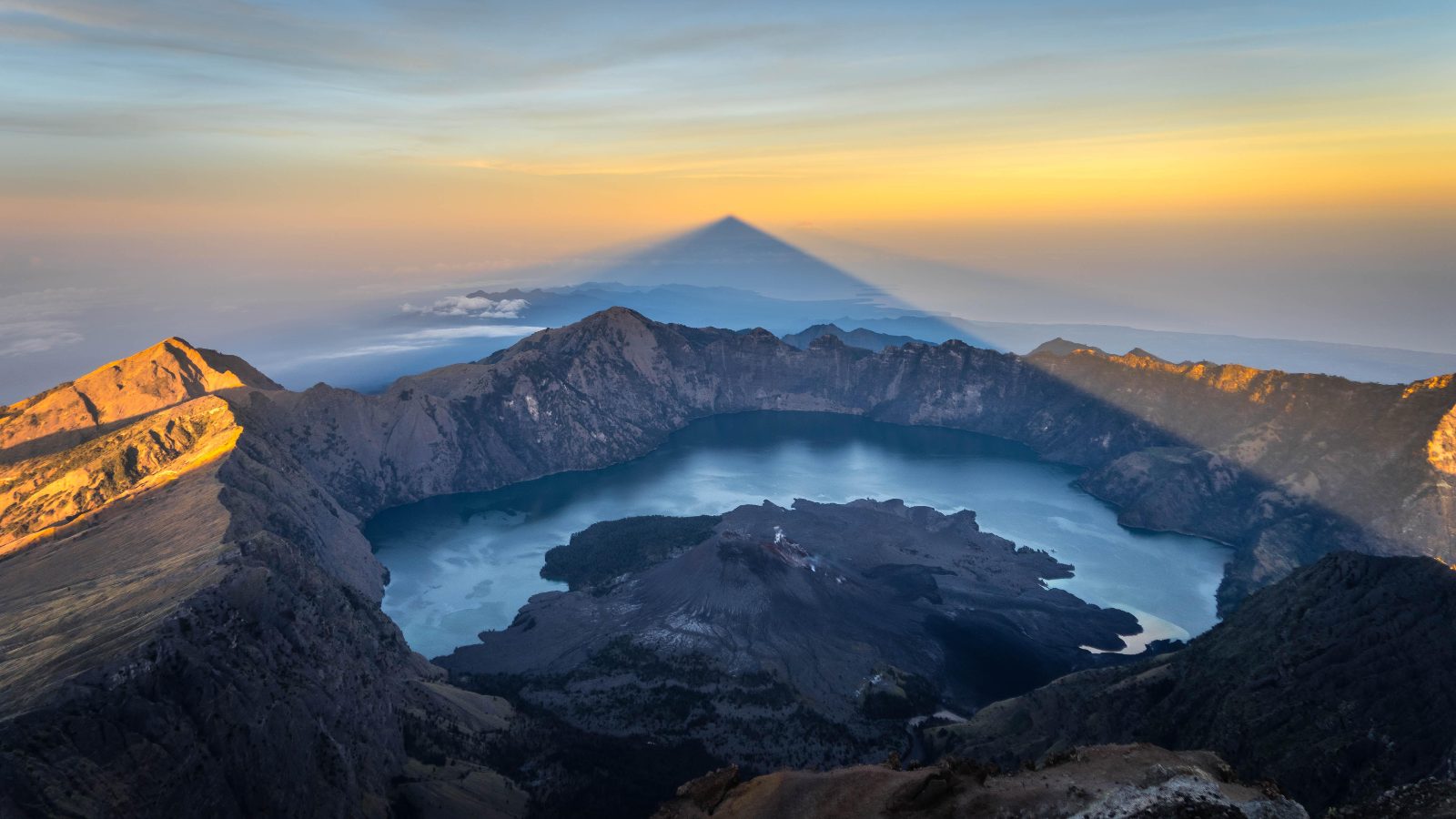
Quick answer
No, you cannot climb Mount Rinjani without a guide. Indonesian national park regulations require all trekkers entering Gunung Rinjani National Park to hire a licensed guide and porter team. This mandatory guide policy applies to all routes including Sembalun, Senaru, and Timbanuh trailheads. Park rangers at the registration posts verify guide credentials before issuing trekking permits, and solo climbers are turned away at the entrance gate.
Gunung Rinjani National Park enforces one of Indonesia's strictest trekking regulations: every climber must arrive with a licensed guide registered through an authorized tour operator. The policy stems from a 2015 incident when seventeen independent trekkers became stranded during an unexpected volcanic tremor, requiring a multi-day rescue operation that cost the park significant resources. Since then, park authorities have maintained zero tolerance for unguided ascents. The regulation applies uniformly across all entry points. Rangers stationed at Sembalun and Senaru checkpoints verify guide licenses, porter manifests, and waste management plans before issuing permits. Trekkers who attempt to climb Mount Rinjani without a guide are denied entry regardless of experience level or previous mountaineering credentials. The park does not issue permits directly to individuals. Licensed guides undergo annual certification through the Rinjani Trek Management Board, covering wilderness first aid, route navigation, and Leave No Trace protocols. Each guide must carry emergency communication equipment and register their group's itinerary with park headquarters before departure. Porter teams handle waste removal, camping equipment, and meal preparation, ensuring that human impact on the volcano's fragile alpine ecosystem remains controlled. The guide-to-trekker ratio averages one guide per four climbers, with additional porters depending on group size and route duration. The conservation fee of 250,000 IDR per person per day for Class 1 routes supports trail maintenance, ranger patrols, and search-and-rescue infrastructure. This fee is separate from guide service costs and collected at the park entrance during registration. Trekkers arriving without pre-arranged guide services can hire operators at the trailhead villages, though availability fluctuates during peak season and rates may be higher than advance bookings. The park's mandatory guide system functions as both a safety mechanism and a livelihood program for local Sasak communities whose economies depend on Rinjani tourism.
“Park rangers at registration posts verify guide credentials before issuing trekking permits, and solo climbers are turned away at the entrance gate.”
Getting to Mount Rinjani National Park Without a Guide Arranged in Advance
Mount Rinjani is located in northern Lombok, with the primary trailheads of Senaru and Sembalun accessible via road from Lombok International Airport or Mataram. While visitors may organize their own transportation to these entry points, national park regulations mandate that all hikers be accompanied by a licensed guide.
Airport to Sembalun via Jl. Raya Mataram-Labuan Lombok
Mataram to Senaru via Jl. Raya Bayan
Mataram (Mandalika Terminal) to Sembalun
Mount Rinjani National Park Opening Hours
Gunung Rinjani National Park gates are open daily on the same schedule, with no weekend or midweek variation.
| Monday | 07:00 – 19:00 | |
|---|---|---|
| Tuesday | 07:00 – 19:00 | |
| Wednesday | 07:00 – 19:00 | |
| Thursday | 07:00 – 19:00 | |
| Friday | 07:00 – 19:00 | |
| Saturday | 07:00 – 19:00 | |
| Sunday | 07:00 – 19:00 |
Real Cost of Climbing Rinjani When You Cannot Go Without a Guide
Climbing Mount Rinjani requires hiring licensed guides and porters, which constitutes the primary expense of the expedition. Budgeting must account for mandatory trekking services, equipment rental, and logistics beyond basic entry requirements.
How to spend less
- Book with larger groups to share guide costs
- Pack personal gear to reduce rental expenses
- Arrange transport to the trailhead in advance
- Travel during standard operating seasons
Expect a total cost between 3,500,000 IDR and 6,500,000 IDR per person depending on group size and service levels.
Best Time to Attempt Mount Rinjani Given the No-Solo-Climb Rule
The optimal window for trekking Mount Rinjani spans the dry season from April through December, when stable weather conditions favor safe passage. During these months, skies are generally clear, providing the necessary visibility for navigating mountain terrain.
April to June
ModerateDry and sunny, 15°C–25°C
Trails are lush following the monsoon rains and crowd density remains manageable.
July to August
HighDry and clear, 10°C–20°C
Peak tourism period with maximum foot traffic on popular routes to the summit.
September to December
Low to ModerateIncreasing humidity, 12°C–22°C
Fewer trekkers occupy the campsites as the transition toward the wet season begins.
January to March
NoneHeavy monsoon, 10°C–18°C
The national park closes officially due to high risks from severe weather and trail instability.
Verdict: The most effective time to plan an ascent is mid-week between April and May or September and October to avoid peak crowds.
Why Climbing Mount Rinjani Without a Guide Has Ended Badly for Others
The mandatory guide rule exists because solo attempts have resulted in serious incidents. Here are the documented failure modes that shaped current policy.
Attempting the summit push without acclimatization at Senaru Crater Rim
Spend at least one night at Senaru Crater Rim (2,641 m) before attempting the 3,726 m summit. Acute mountain sickness has forced multiple evacuations when climbers skipped this step.
Underestimating the descent from summit to Segara Anak Lake
The post-summit descent is where most injuries occur due to fatigue and loose scree. In 2018, several solo hikers required rescue after ankle injuries on this section—guides carry first-aid supplies and know evacuation routes.
Hiking without GPS or offline maps in low visibility
Dense fog above 2,500 m has caused multiple instances of hikers becoming disoriented and spending unplanned nights on the mountain. Download offline maps and carry a fully charged power bank, though guides remain the safer option.
Starting the trek after 12:00 without realizing camp distance
The hike from Sembalun entry point to Sembalun Crater Rim camp takes 7-8 hours. Late starts have left solo hikers scrambling to pitch tents in darkness or sleeping without shelter.
Bringing insufficient water for the waterless Sembalun route
The Sembalun trail has no water sources until Sembalun Crater Rim. Dehydration incidents among solo climbers led to stricter permit checks—porters hired through guides carry the necessary 3-4 liters per person.
Checklist Before You Try to Climb Mount Rinjani Without a Guide
Climbing without a guide requires more self-reliance in preparation and navigation.
-
Book a licensed guide weeks ahead — Peak season slots fill fast, and solo trekking is not permitted on main routes.
-
Register with Rinjani National Park office — You must present ID and pay the 250,000 IDR conservation fee per day.
-
Pack navigation tools and maps — GPS device, offline maps, and compass are essential without guide support.
-
Prepare for 3–4 days of food — No resupply points exist on the mountain; calculate portions carefully.
-
Train for steep elevation gain — The trek climbs over 2,000 meters with rocky, technical sections.
-
Arrange porter logistics if needed — Porters must be booked through licensed operators at the park office.
-
Arrive between 07:00–12:00 on day one — Late starts risk missing the campsite cut-off before nightfall.
Check availability
FAQ: Can You Climb Mount Rinjani Without a Guide?
Everything you need to know about can you climb mount rinjani without a guide