

Quick answer
Mount Rinjani trek difficulty rates as strenuous to very strenuous, requiring high cardiovascular fitness and prior multi-day hiking experience. The standard 3-day summit route covers 42 kilometers with 2,600 meters of cumulative elevation gain, including a steep 1,000-meter pre-dawn summit climb through loose volcanic rock. Most trekkers without altitude acclimatization and strong leg endurance struggle on the final ascent.
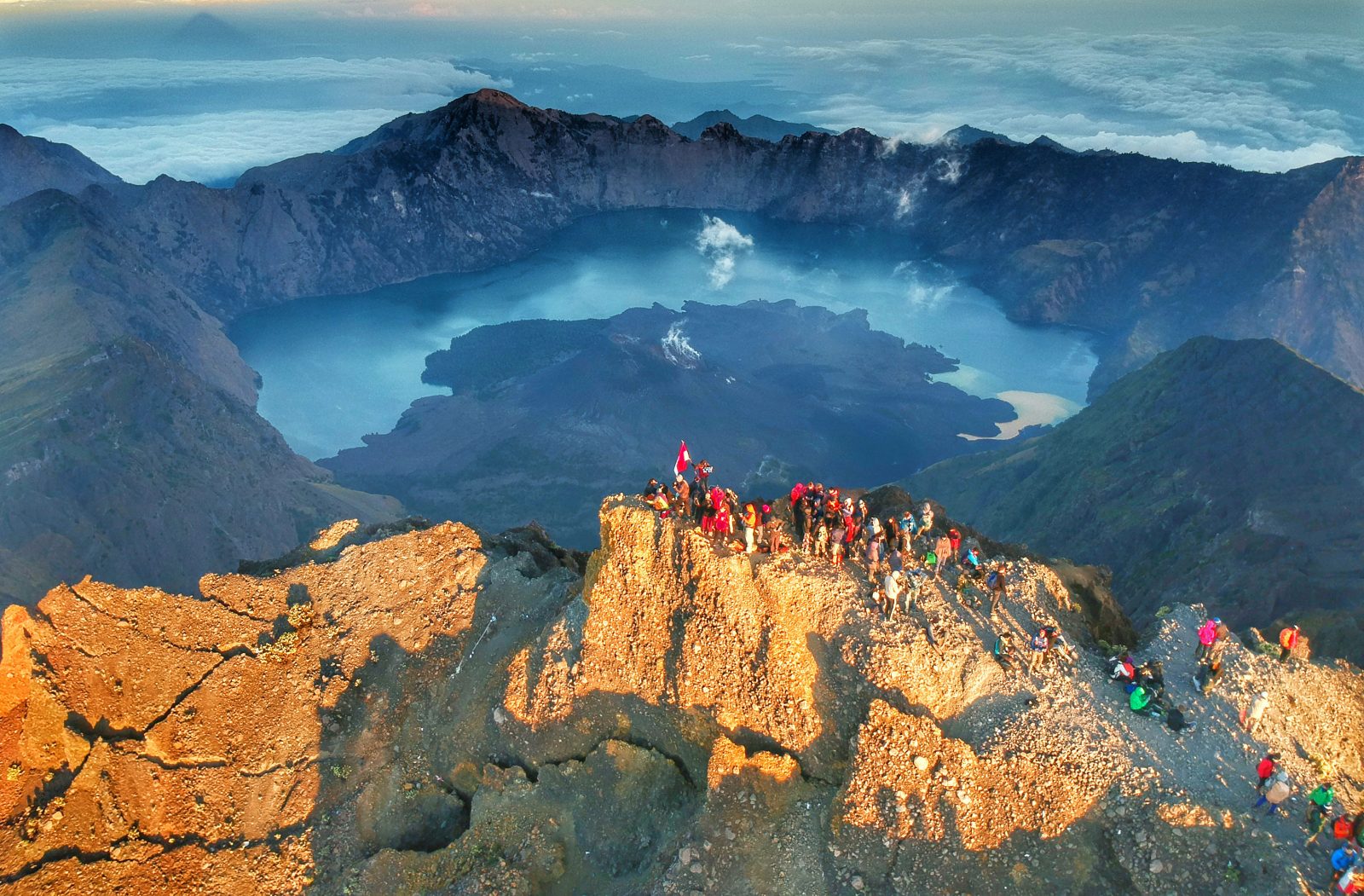
The crater rim sits 600 meters higher than most trekkers expect after reading elevation figures alone. Rinjani's difficulty stems not from technical climbing but from the compounding demands of altitude, duration, and terrain variability across three distinct elevation zones. Below 2,000 meters, the trail ascends through humid montane forest on established paths with moderate gradient. Fitness requirements here mirror steep day hikes elsewhere. The physical challenge escalates sharply at Sembalun Crater Rim camp at 2,639 meters, where reduced oxygen and overnight cold prepare poorly conditioned bodies for what follows. Summit day begins at 02:00 with headlamps illuminating a relentless 1,087-meter climb on loose scoria that slides underfoot with every step. The gradient steepens to 35-40 degrees in sections, and forward progress slows to a crawl as lungs labor in thin air. Trekkers who train only at sea level frequently abandon the attempt within the first hour. The descent compounds leg fatigue through sustained downhill pounding across the same unstable volcanic substrate. Knee stability matters as much as aerobic capacity. Most underestimate the toll of carrying a daypack for four to six hours post-summit while glycogen depleted and altitude-affected. The Rinjani challenge rating reflects this cumulative load rather than any single obstacle. Conservation regulations require all trekkers to register at Mount Rinjani National Park entry points, where rangers assess group composition but do not screen for fitness. The 150,000 IDR conservation fee per person per day grants access regardless of preparation level. Weather compounds difficulty variables—monsoon rains from November through March render trails dangerously slick and obscure the loose rock that makes the upper mountain treacherous even in dry conditions. The mountain opens year-round from 00:00 to 23:59 daily, but summit success rates plummet outside the April-to-October dry season window. Contact park headquarters at +62 370 660 1892 or visit https://tnrinjani.id for current trail conditions before committing to dates. Arriving between 06:00 and 08:00 allows acclimatization time before the first afternoon on trail. Mount Rinjani trek difficulty ultimately measures the gap between a trekker's preparation and the mountain's non-negotiable physical demands across 72 hours of sustained effort.
“The crater rim sits 600 meters higher than most trekkers expect after reading elevation figures alone.”
Mount Rinjani Trek Difficulty: Fitness and Gear Checklist
Rinjani demands solid fitness and the right gear—prepare at least four weeks out.
-
Train with weighted hikes weekly — Build leg strength and stamina for steep, sustained ascents over multiple days.
-
Book a licensed guide and porter — Solo trekking is prohibited; guides navigate terrain and handle permits at entry gates.
-
Pack layered clothing and rain shell — Summit temperatures drop near freezing at dawn; afternoon storms are common year-round.
-
Bring trekking poles and headlamp — Poles stabilize you on volcanic scree; a headlamp is essential for pre-dawn summit starts.
-
Wear broken-in hiking boots — New boots cause blisters on rough, rocky trails spanning 30+ km over steep elevation gain.
-
Carry a 1.5–2 L hydration system — Water sources exist at camps, but you'll need capacity for long stages between refill points.
-
Schedule rest days after descent — Knee and quad fatigue peaks on the steep downhill; plan recovery time before onward travel.
Common Mistakes That Make the Mount Rinjani Trek Harder
Most difficulties on Rinjani stem from preparation gaps rather than the trail itself. These missteps turn a challenging trek into a grueling ordeal.
Starting the summit push after 02:30
Begin the crater rim ascent by 02:00 to reach the summit before sunrise at 06:00, avoid afternoon clouds, and complete the steep scree descent in cooler temperatures.
Wearing running shoes or soft hiking boots on scree
Use boots with stiff ankle support and aggressive tread. The volcanic scree on the summit slope shifts underfoot and requires stable footwear to prevent ankle rolls and maintain traction on the descent.
Underestimating the temperature drop at 3,726 meters
Pack insulated layers and gloves for the crater rim. Temperatures at the summit routinely drop to 5°C before dawn, and wind chill intensifies exposure during the 2-3 hour climb from Sembalun Crater Rim camp.
Pushing a fast pace from Sembalun Crater Rim basecamp
Climb at a deliberate, steady rhythm to manage the 1,100-meter elevation gain. Rushing depletes energy reserves needed for the summit push and increases altitude discomfort at thinner oxygen levels.
Skipping the acclimatization night at Senaru or Sembalun Crater Rim
Sleep at 2,600-2,700 meters before attempting the summit. A rest night allows your body to adjust to reduced oxygen and reduces headache, nausea, and fatigue during the final ascent.
When to Attempt the Mount Rinjani Trek for Easier Conditions
The optimal trekking window occurs during the dry season from April to October, when stable weather minimizes trail hazards. Planning your arrival window between 06:00–08:00 provides the clearest conditions before cloud cover develops.
Dry Season (April–October)
Moderate to highDry with clear skies, 15°C–25°C
Warm days and cooler nights facilitate safer summit attempts. Trails remain firm and less prone to erosion.
Wet Season (November–March)
LowHigh rainfall, 20°C–30°C
The national park closes trails due to landslide risks and extreme weather. Trekking is prohibited during these months.
Weekday mornings
Low—
Arriving at the best arrival window of 06:00–08:00 ensures better visibility for the summit push. Lower hiker density allows for more controlled pacing on technical sections.
Verdict: The best opportunity for managed conditions is the dry season, specifically April, May, September, or October, paired with an early morning start.
Who Should Not Attempt the Mount Rinjani Trek
The Mount Rinjani trek involves steep, uneven, and volcanic terrain that is not suitable for individuals with limited mobility. The environment presents significant physical demands that preclude standard accessibility accommodations.
The rugged mountain trails are unsuitable for wheelchair use.
The terrain consists of steep, uneven volcanic slopes and forest paths.
Facilities at the trailhead and campsites do not meet accessible design standards.
There are no specialized aids for sensory-impaired visitors on the trails.
Visitors may contact the park at +62 370 660 1892 for information on low-traffic periods.
Check availability
Frequently Asked Questions About Mount Rinjani Trek Difficulty
Everything you need to know about mount rinjani trek difficulty